Upcoming Fellowship Recipients
Fall 2026
Fall 2026 - group 3
Dance
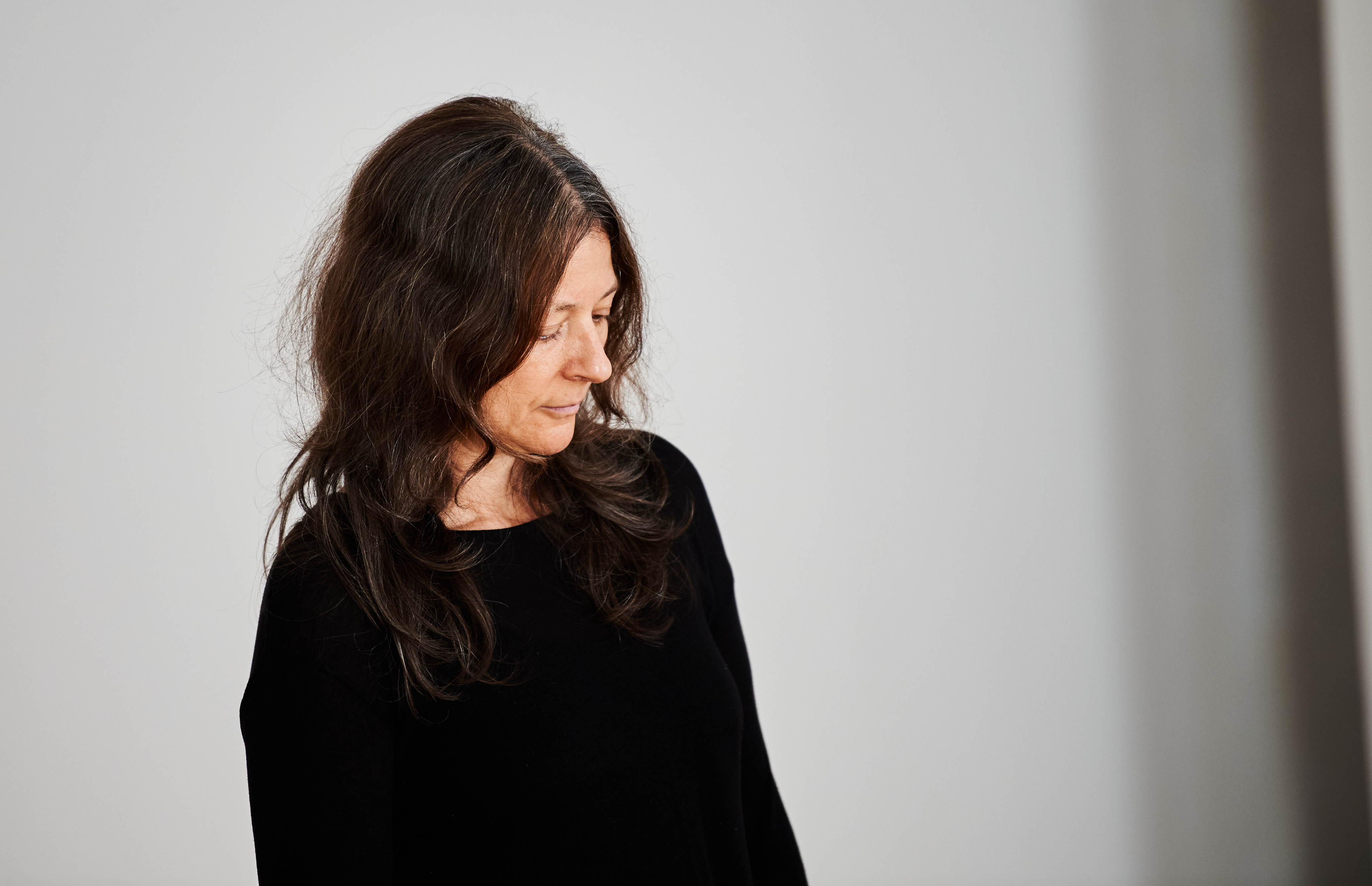
Kathy Westwater
Choreographer — United States
Kathy Westwater has created experimental dances in NYC since 1996. Her most recent work, described by The New York Times as “revelatory,” premiered at Chocolate Factory Theater in 2023. In 2022 she premiered her first gallery exhibition, emerging from a durational inquiry of Fresh Kills Landfill, once the largest landfill in the world, at the Newhouse Center for Contemporary Art. Kathy is a recipient of the Solange MacArthur Award for New Choreography, the first woman to receive the prize. She lives in the Bronx with her husband and frequent artistic collaborator, architect Seung Jae Lee.
Kathy's “but this stupendous fragmentariness heightened” extends a 25+ year exploration of pain and the body. Taking inspiration from the writings of cultural theorist Byung-Chul Han, the project explores Han’s concept that without pain or disaster there could not be beauty. Premiering in February 2027 at La MaMa Experimental Theatre Club in NYC, the work features music by Natasha Barrett, set by Seung Jae Lee, costumes by Claire Fleury/Curious Orange, and lighting by Roderick Murray. Kathy is joined by celebrated dancers Chia-Ying Kao, Paul Singh, and Christopher Williams.
Humanities Scholarship
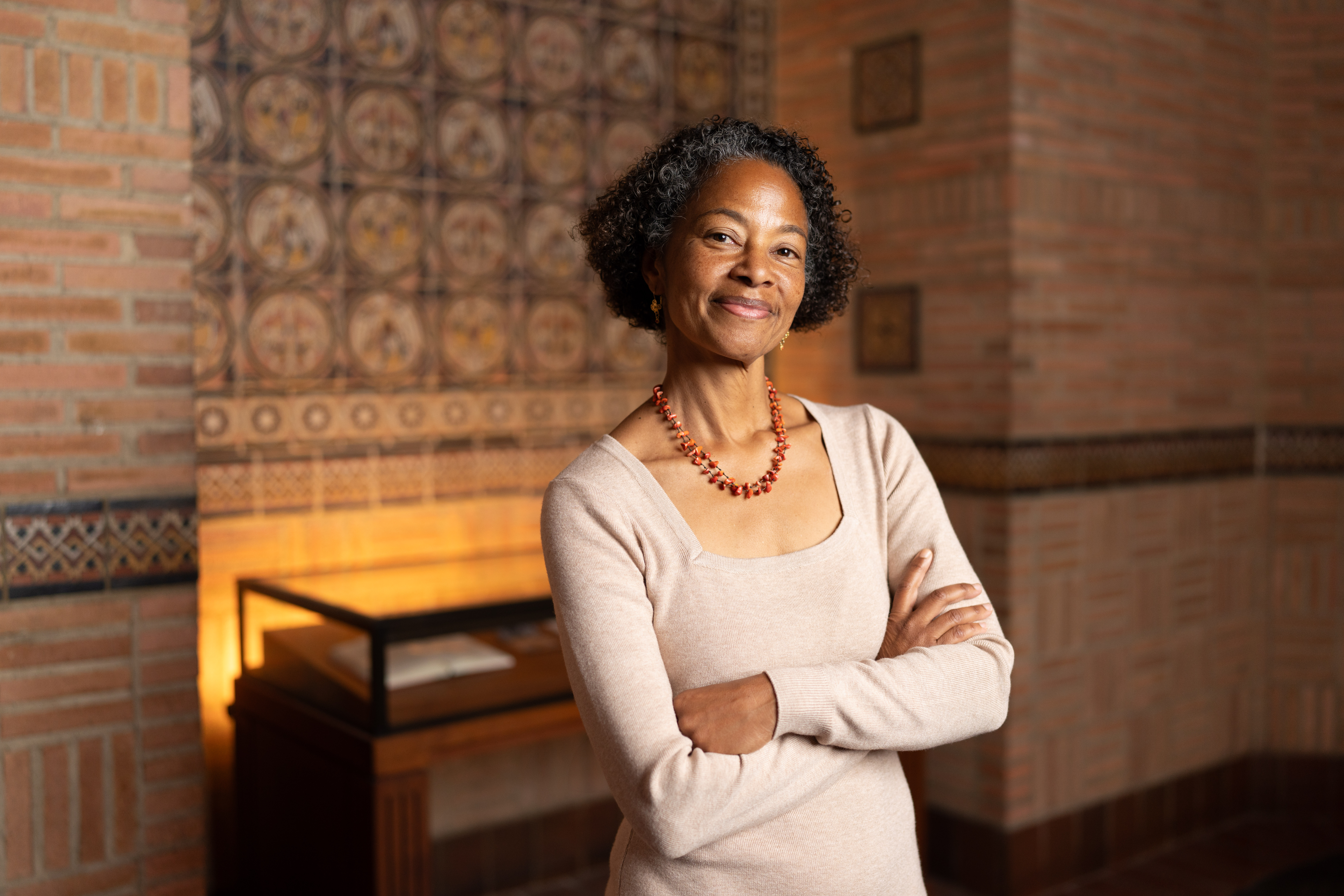
Solange Ashby
Author and Assistant Professor of Egyptology and Nubian Studies, UCLA — United States
Solange Ashby is an Assistant Professor in the department of Near Eastern Languages and Cultures at UCLA where she teaches Egyptology and Nubian Studies. Expertise in ancient languages, including Egyptian hieroglyphs, Ethiopic, Biblical Hebrew and Greek, underpins her research into religious transformation in Northeast Africa. Two books include, Calling Out to Isis: The Enduring Nubian Presence at Philae (2020) and a co-edited volume, New Perspectives on Ancient Nubia (2024). She is currently working on a monograph about Nubian women as queens and priestesses in antiquity.
Women of the Sacred South: Female Power in Nubia and Egypt Nile Valley religion emerges out of the Sacred South with the prominent Egyptian goddess, Hathor, said to have traveled from Nubia to Egypt. Consequently, Nubian women are often associated with the goddess Hathor, Lady of music, dance, and childbirth. My book project employs an ancient myth as a framework to tell the story of five women of ancient Nubia whose lives spanned 2500 years. Chapter two focuses on a royal Kushite woman (Shepenwepet II) who served in the powerful temple role as God’s Wife of Amun during Egypt’s Twenty-Fifth dynasty (747-656 BCE).
Humanities Scholarship
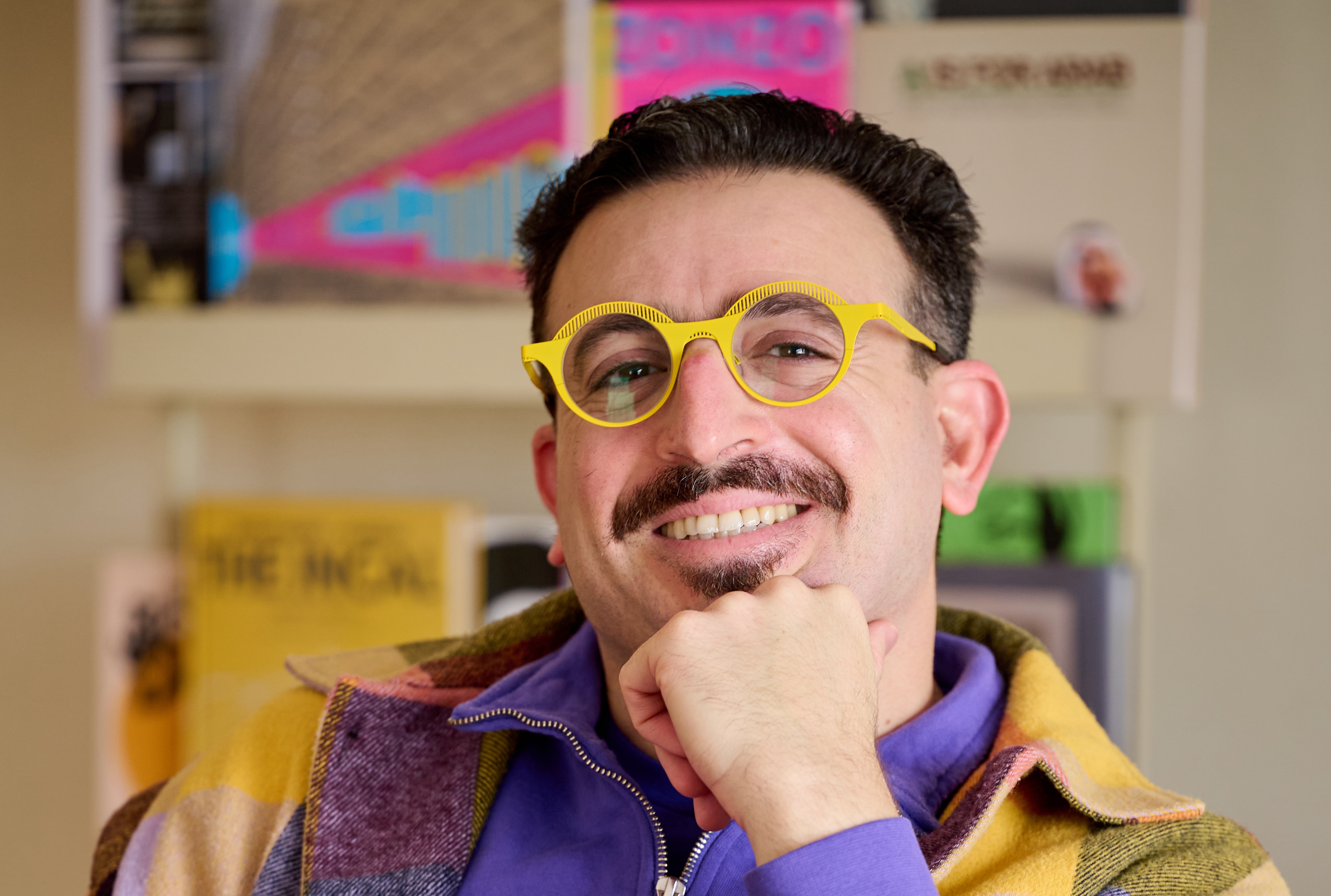
Ramzi Fawaz
Author, Podcast Host, and Professor of English, University of Wisconsin, Madison — United States
Ramzi Fawaz is a professor of English at the University of Wisconsin, Madison, and host of the podcast "Nerd from the Future". He is the author of two books, including The New Mutants: Superheroes and the Radical Imagination of American Comics (2016) and Queer Forms (2022), both published by NYU Press. Fawaz is also contributing editor to Film Quarterly, where he authors the column “Imagination Unbound.”
At Bogliasco, Ramzi will work on his new book, Coexisting: Psychedelic Pathways to Embracing a Diverse World, where he argues that humanities education should be understood as a form of collective psychedelic therapy, which uses art, literature, and popular media instead of psychoactive drugs to induce positive psychological transformations in millions of college-age youth. He shows how recent US popular culture has formally modeled this therapeutic potential of the arts by drawing on hallucinatory visual and narrative techniques that productively expand the critical imagination of their viewers toward accounting for other perspectives. Consequently, Ramzi encourages readers to take seriously the humanistic consequences of psychedelic experience, including its potential to dramatically reframe how we understand and value human diversity.
Landscape Architecture
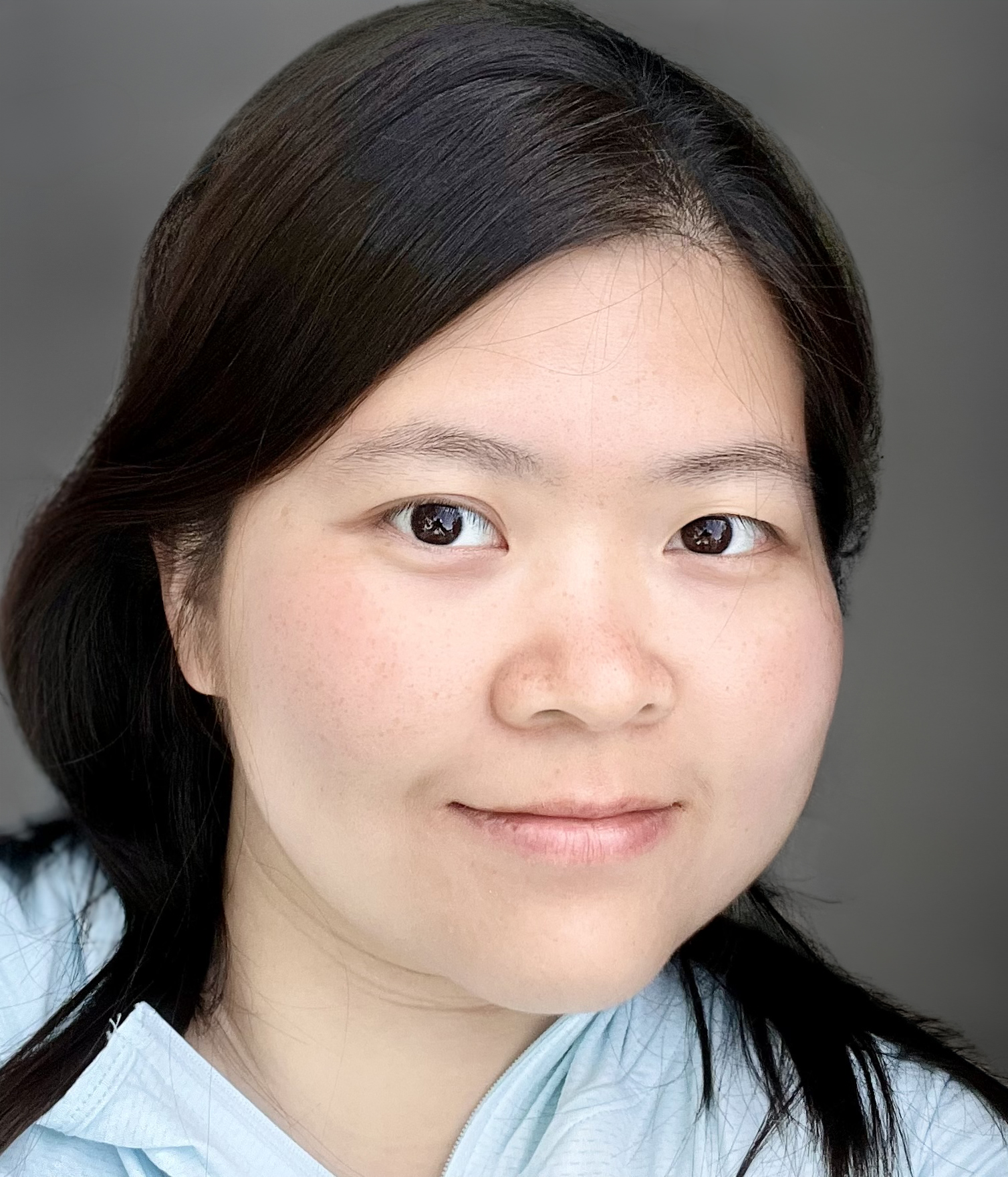
Han Zhang
Landscape Architect and Principal, O2 Design — United States
Han Zhang is a landscape architect and principal at O2 Design. Her work spans private gardens to large-scale campuses and has been recognized by the American Society of Landscape Architects and the American Council of Engineering Companies, among others. Shaped by her dual-cultural heritage and spirit of adventure, she weaves personality, cultural insight, and inspiration from nature into emotive, experiential, and place-based designs that foster a lasting sense of belonging.
At Bogliasco, Han will explore the cultural landscape of Liguria through experiential wandering inspired by La Passeggiata. Centered along the Bogliasco seafront, the project examines how unstructured, embodied movement heightens sensory awareness, encourages social observation, and deepens connections to place. Drawing on art, design, and philosophy, she will use daily walks and experimental media to translate lived experience into design insight.
Literature
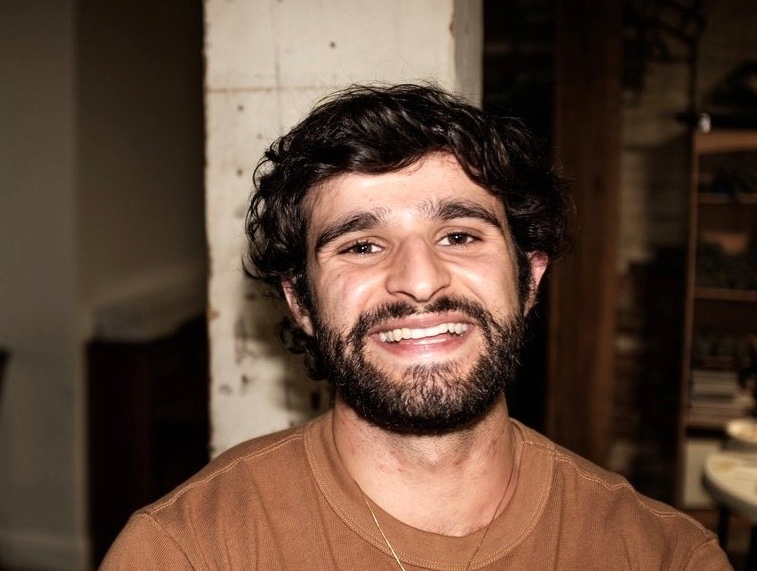
Darius Atefat-Peckham
Poet and Author — United States
Darius Atefat-Peckham is the author of Book of Kin winner of the Autumn House Poetry Prize, and editor of his mother’s, Susan Atefat-Peckham’s, posthumous collection Deep Are These Distances Between Us. His work appears in Poetry Magazine, American Poetry Review, The Kenyon Review, Oxford Poetry, Prairie Schooner, and elsewhere. Atefat-Peckham grew up in Huntington, West Virginia and earned a Bachelor of Arts in English at Harvard. He holds an MFA from the Michener Center for Writers where he was a finalist for the Keene Prize in Literature.
While at Bogliasco, Darius will be writing poetry in the ghazal form to fill out his sophomore collection of poetry, tentatively titled Earth-Bound. His hope is that this collection is ultimately a treatise on the synonymous nature of love and grief.
Music
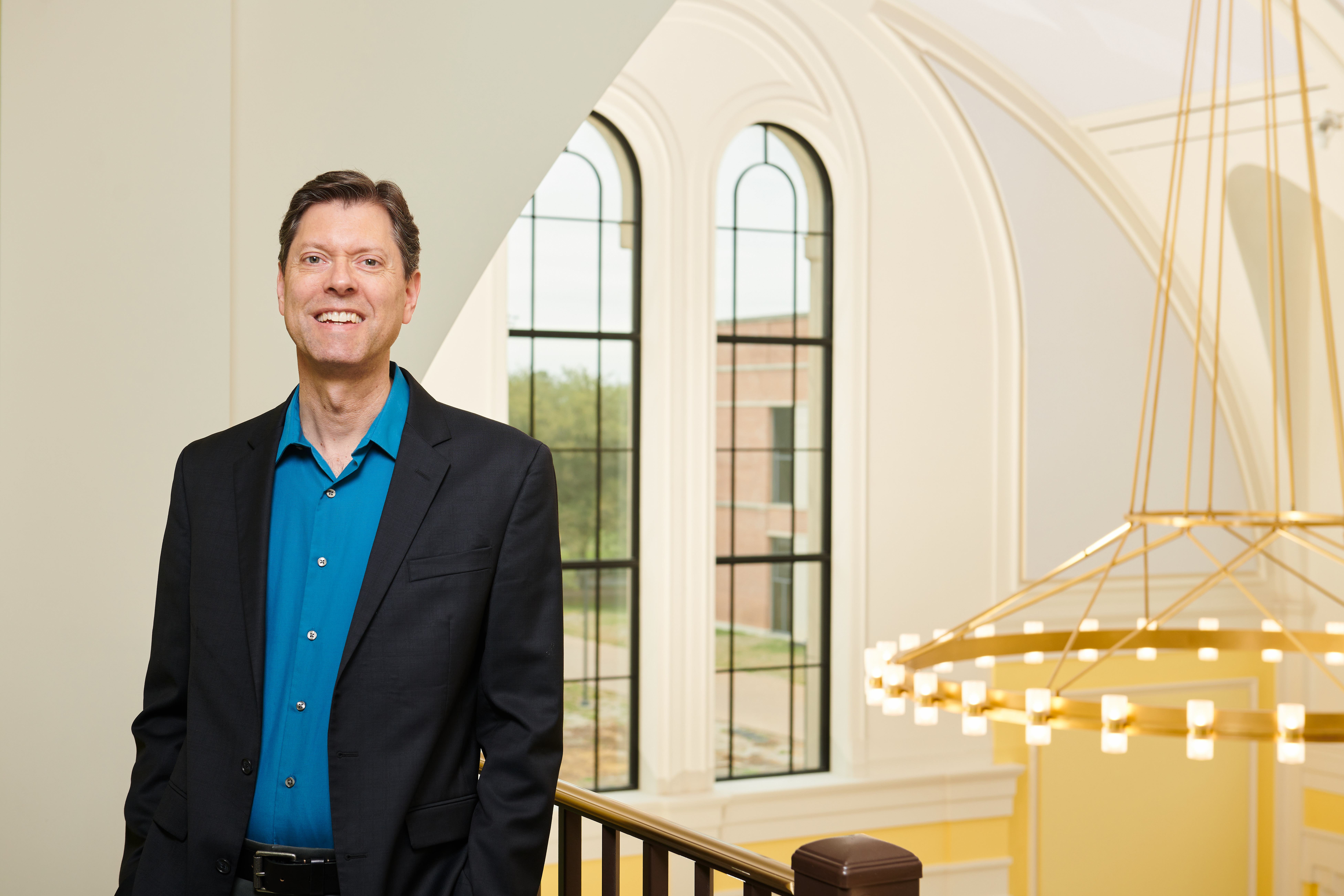
Pierre Jalbert
Composer — United States
American composer Pierre Jalbert is highly acclaimed for his music of “breathtaking beauty, lyricism, and intricacy” (San Francisco Chronicle). Among his many honors are the Rome Prize, the BBC Masterprize, Lincoln Center's Stoeger Award, and worldwide performances by the Boston Symphony, London Symphony, Hong Kong Philharmonic, and Emerson String Quartet, among others. He has drawn inspiration from a variety of sources, from plainchant melodies to the natural world.
During the Bogliasco residency, Pierre will be composing a work for solo piano: a set of 12 Piano Preludes, approximately 30 minutes in length, which he plans to have premiered in all 50 states of the United States. He will also be working on a chamber opera which focuses on issues of memory loss, aging, and the power of music to heal.
Theater
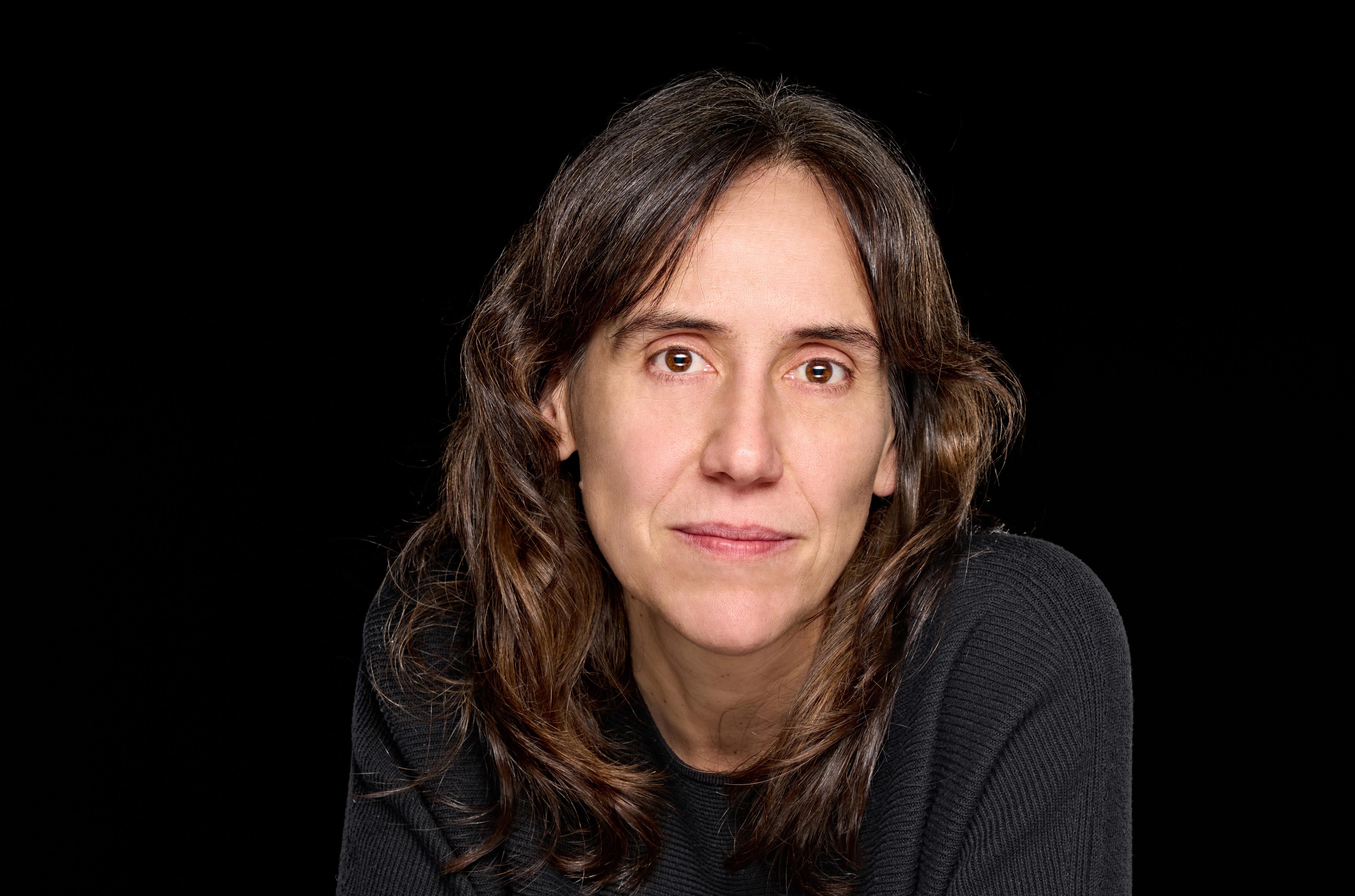
Ana Zamora
Director, Researcher, and Founder, Nao d'amores — Spain
In 2001, Ana founded Nao d'amores, a collective (theatre, puppetry, and music), dedicated to the research and staging of Medieval and Renaissance theatre, from a contemporary perspective. As a freelance director, she has helmed productions for major institutions and has toured and lectured at conferences in 16 countries. Winner of the National Theatre Award (Spain, 2023), she has been a fellow twice at the Academy of Spain in Rome and is a member of the Academy of History and Art of St.Quirce.
Pre-Baroque theatre remains a largely forgotten repertoire of the international stage canon. Situated between the pre-dramatic and post-dramatic, it requires multidisciplinary analysis to be understood and reimagined through a sensibility at once modern and ancestral. Italian ethnographic celebrations, examined through the lens of theatrical anthropology, offer a valuable path to exploring early forms of theatricality and provide a vital source of inspiration for contemporary practice.
Visual Arts
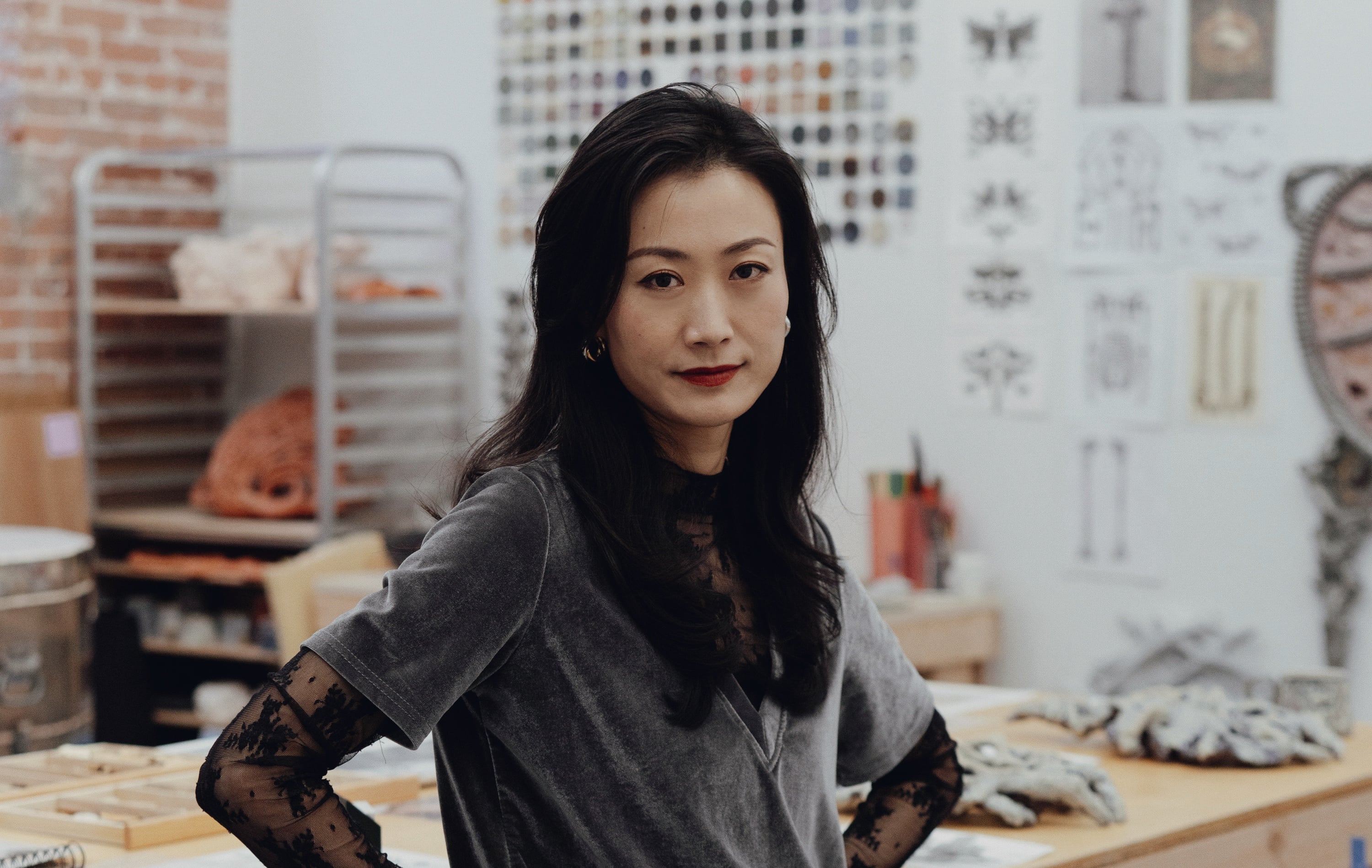
Wen Liu
Visual Artist — China/United States
Wen Liu is a Shanghai born, Brooklyn based visual artist working across sculpture and installation. Her practice examines migration, memory, and the evolving structures through which individuals construct belonging. She is a 2026 Toronto Biennial artist and a 2026 AIM Fellow at the Bronx Museum, and has received fellowships from Yaddo (2026), Bogliasco (2026), MacDowell (2025), and the RAiR Foundation (2022). Her work has been exhibited at institutions including The Aldrich Contemporary Art Museum (CT), the Chicago Cultural Center (IL), Roswell Museum (NM) and internationally.
At Bogliasco, Wen will research historical fresco techniques to explore the relationship between painting, sculpture, and architecture. Building on folded calligraphy inkblots, she will create a series of ink and water based studies on paper that investigate gesture, layering, and surface. Rather than treating these works as finished drawings, she sees them as blueprints for sculptural reliefs, exploring how drawing can gradually evolve into architectural form and open a new direction in her practice. These experiments will establish the visual and material language for a new body of architectural installations.