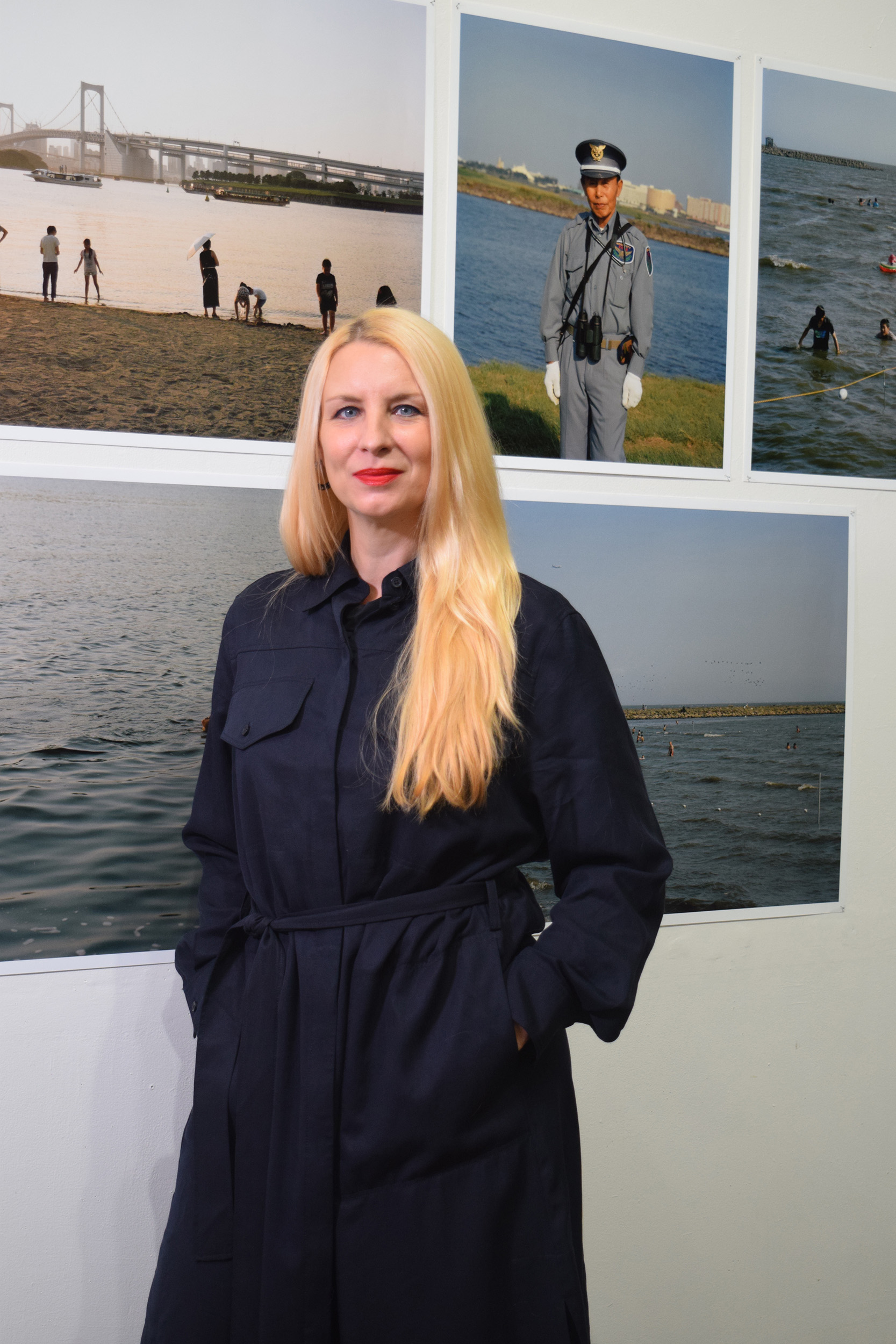
Katharina Gruzei
Katharina Gruzei is an independent artist working across photography, video, film, sound, and installation. Her practice explores societal tendencies and socio-cultural issues, ranging from gender-related themes to questions shaped by urban environments. A central focus of her work lies in feminist concerns and projects in public space, often realized in site-specific contexts. Her work has been exhibited internationally, and she is the recipient of numerous prizes and scholarships. She lives and works in Vienna and Linz, Austria.
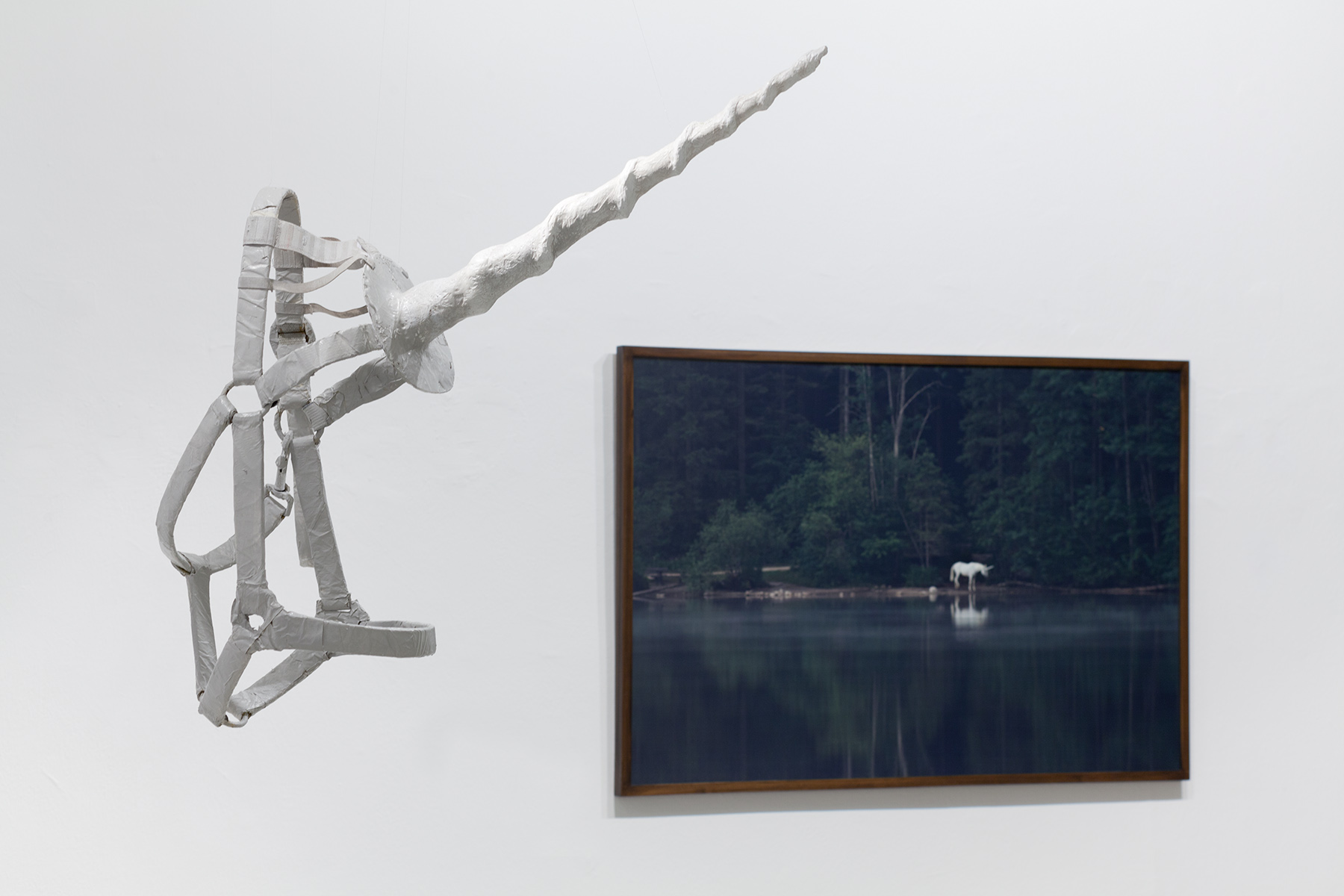
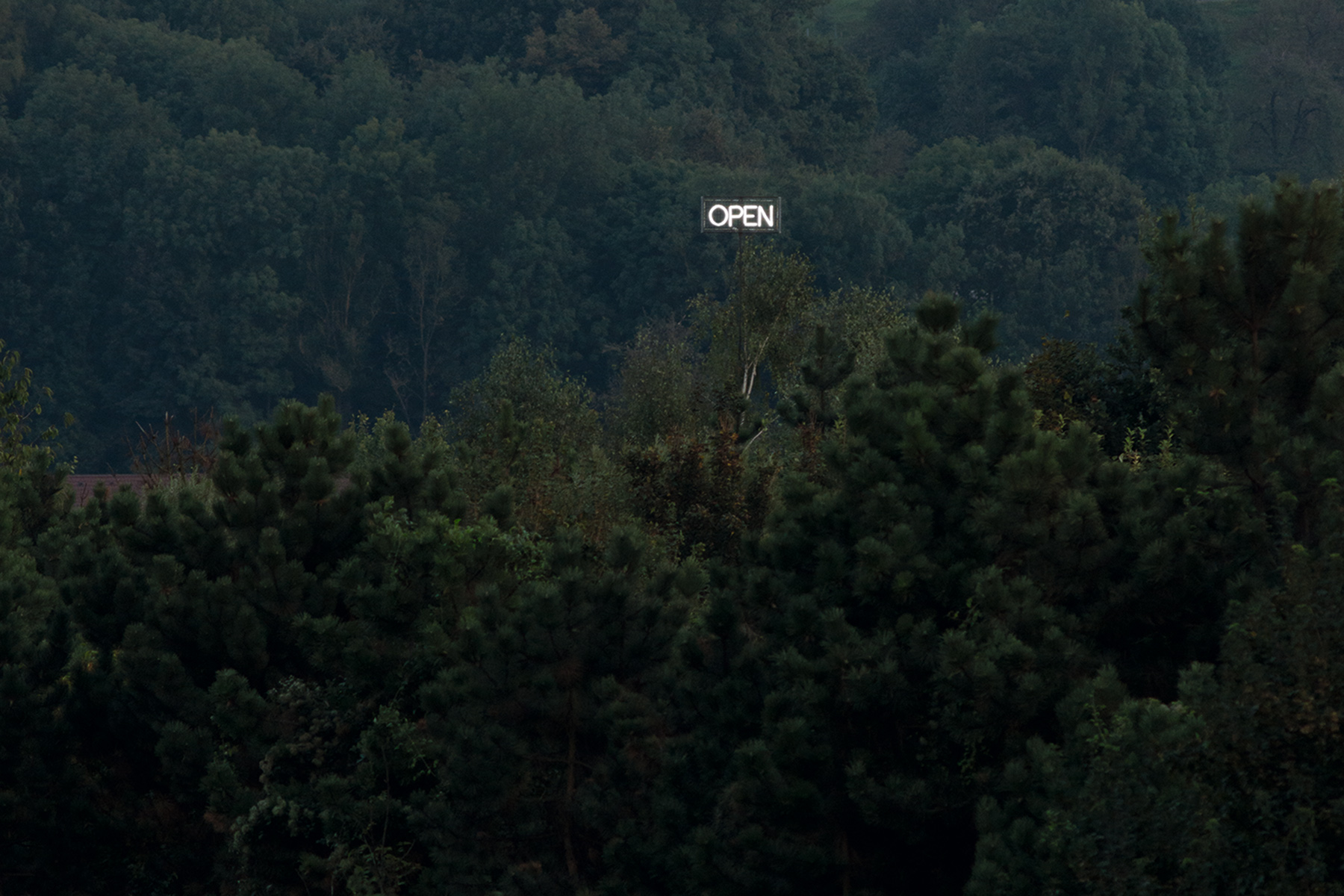
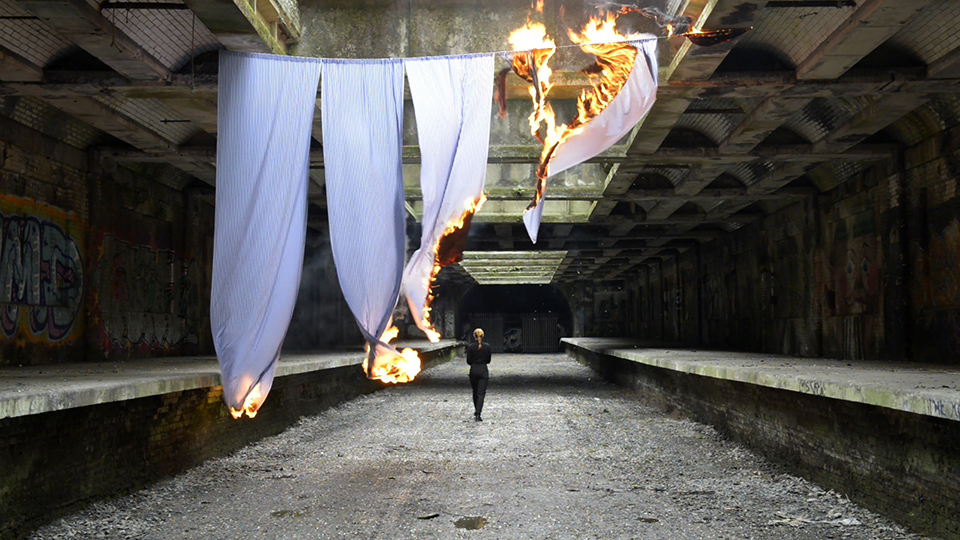
Through site-specific interventions, Katharina Gruzei explores how we experience public space, often revealing its hidden histories. In Transformation, she reanimates the forgotten architecture of a Victorian steam-train station by setting a fabric installation ablaze, while in OPEN, she uses a solar-powered LED sign to draw attention to an inaccessible traffic island cut off by highways. Her work often relinks collective memory and local legends through surreal disruptions of the everyday—from the mythical unicorn that appears at a lake in “As a Matter of Desire” to the submerged light of “Sub Lumina”, which suggests a haunting presence beneath a lake's surface. Finally, through large-scale installations like “Portraits of the Unknown (SPACE LADIES)”, the artist utilizes urban facades to grant visibility to forgotten histories, such as the overlooked legacy of female space pioneers.
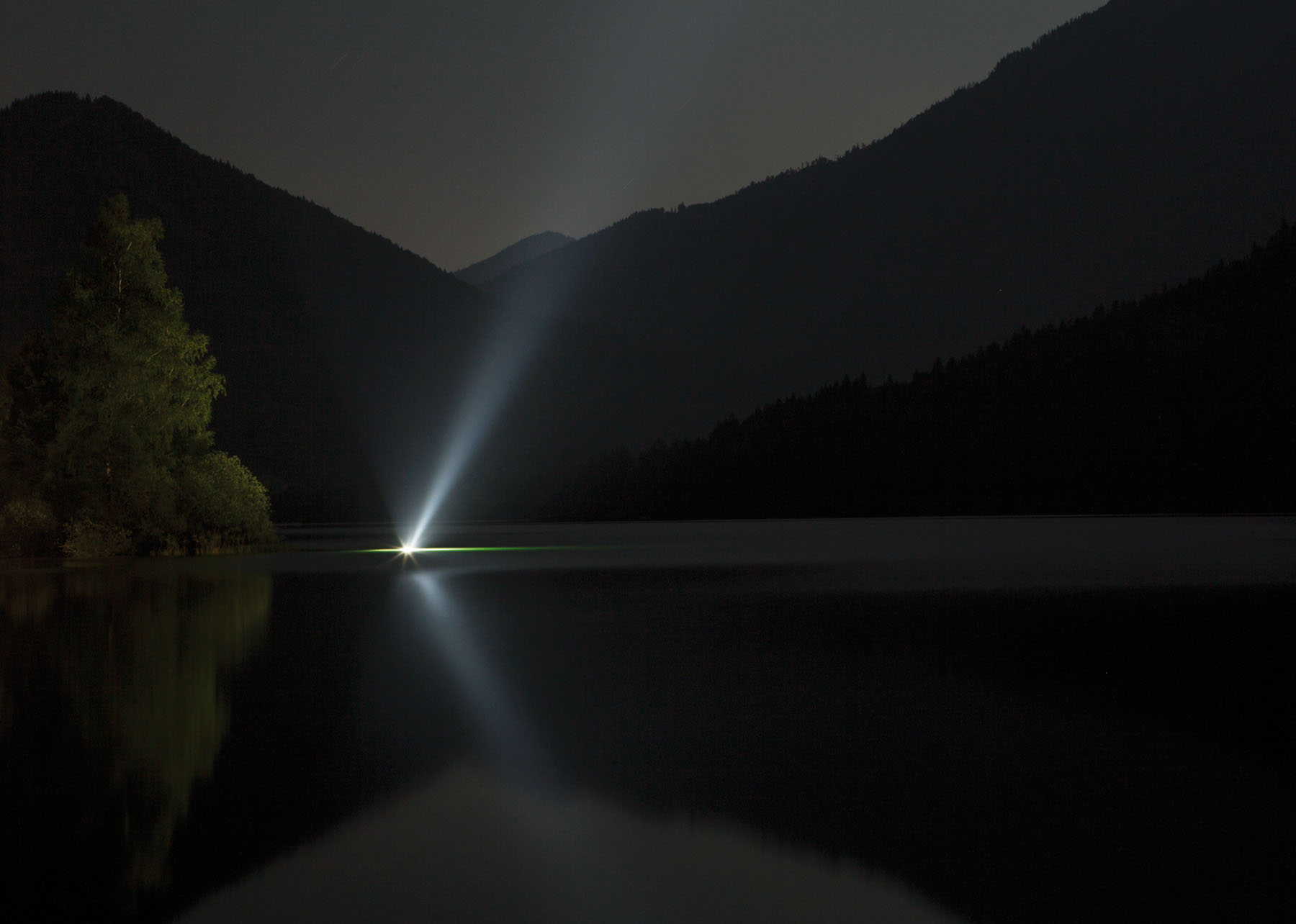
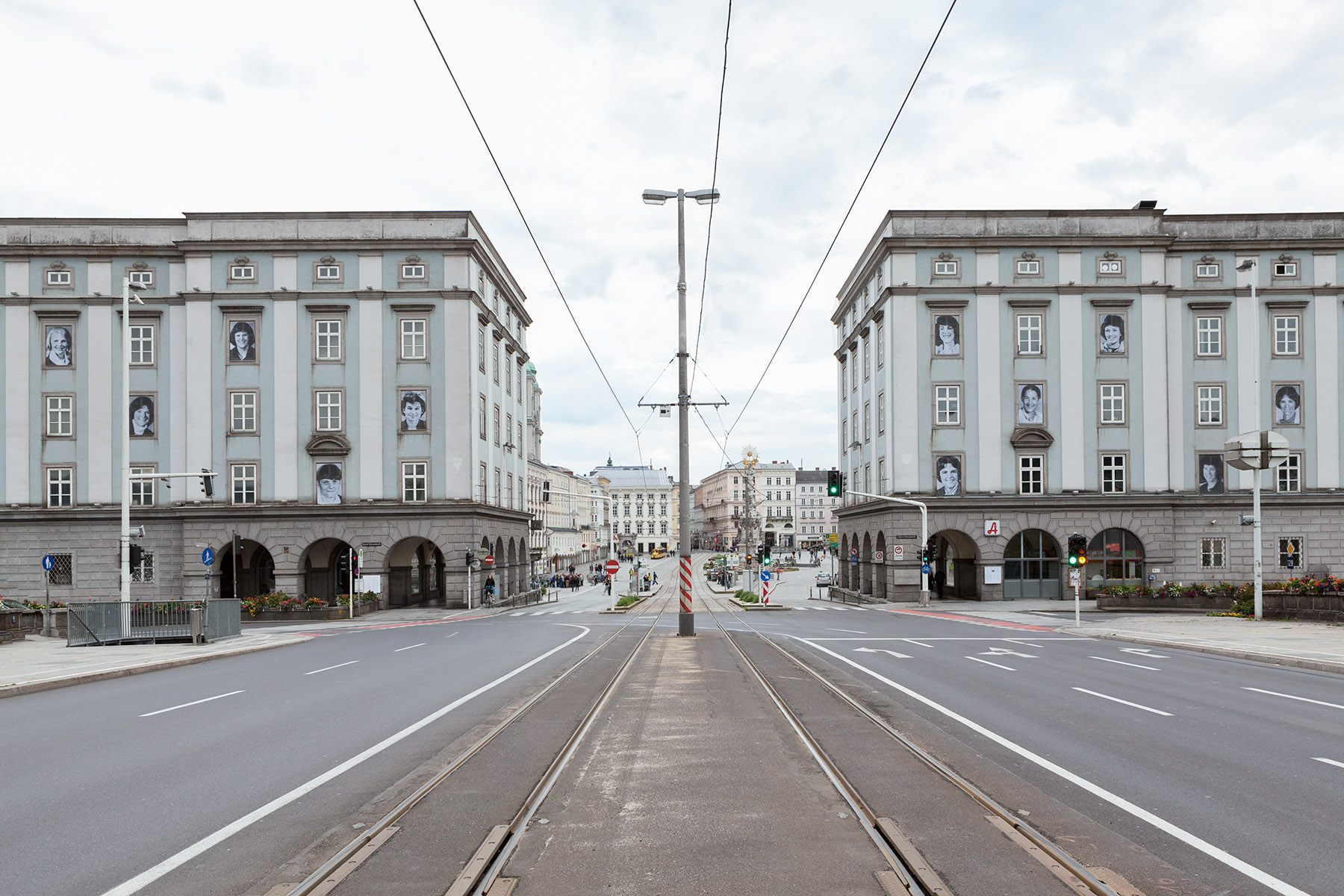
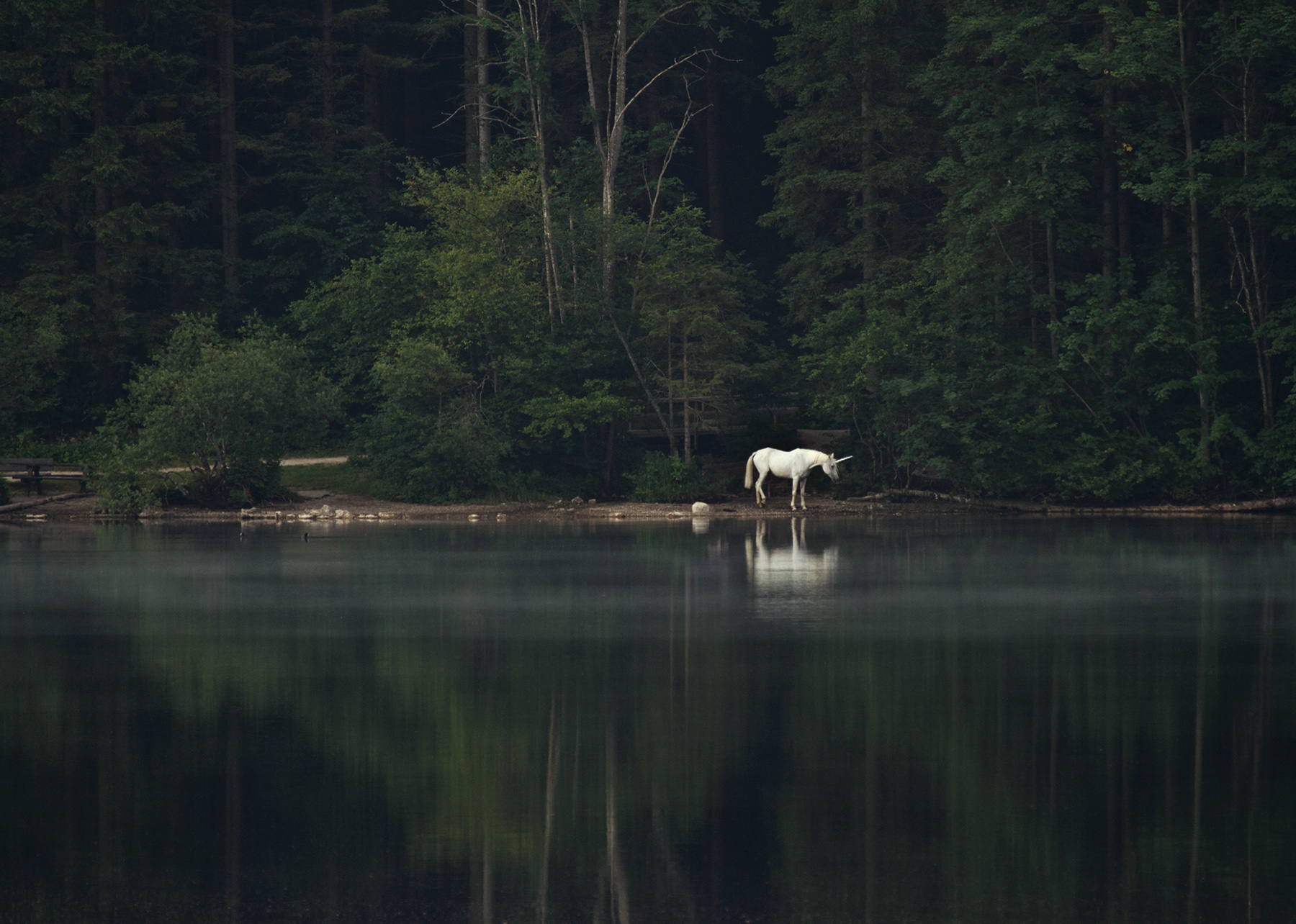
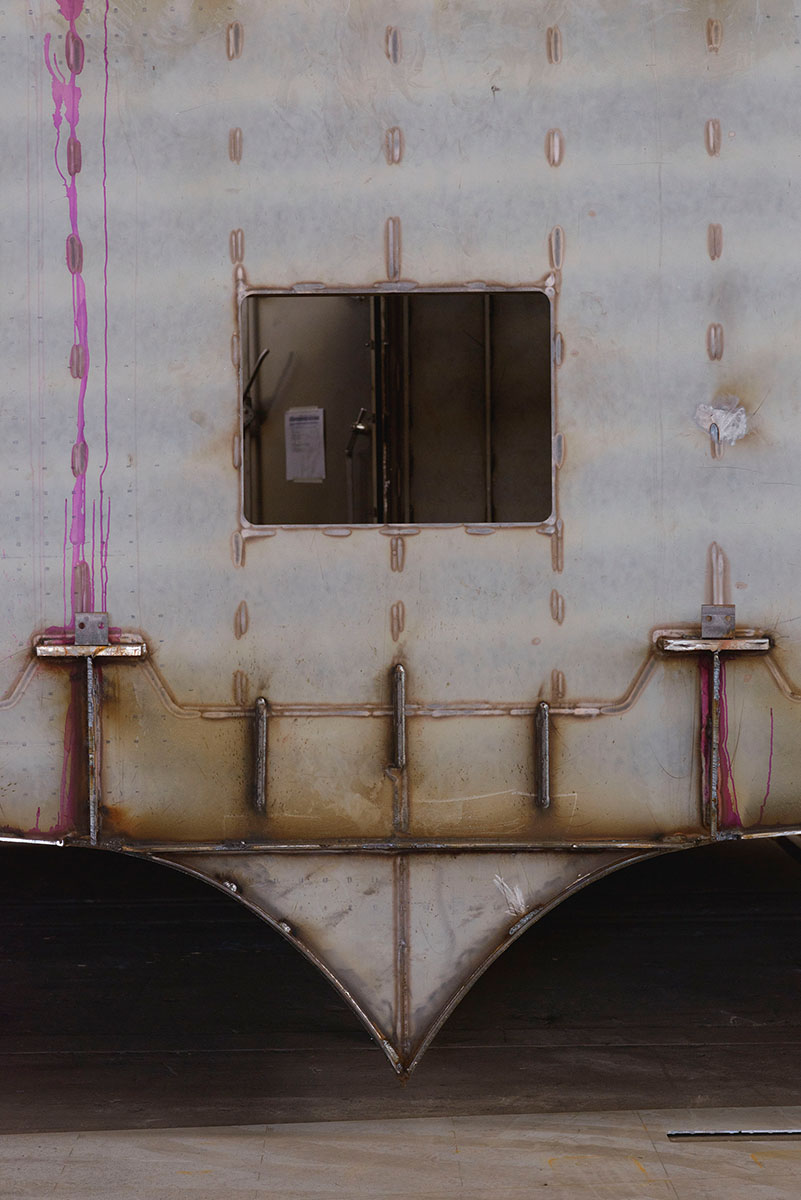
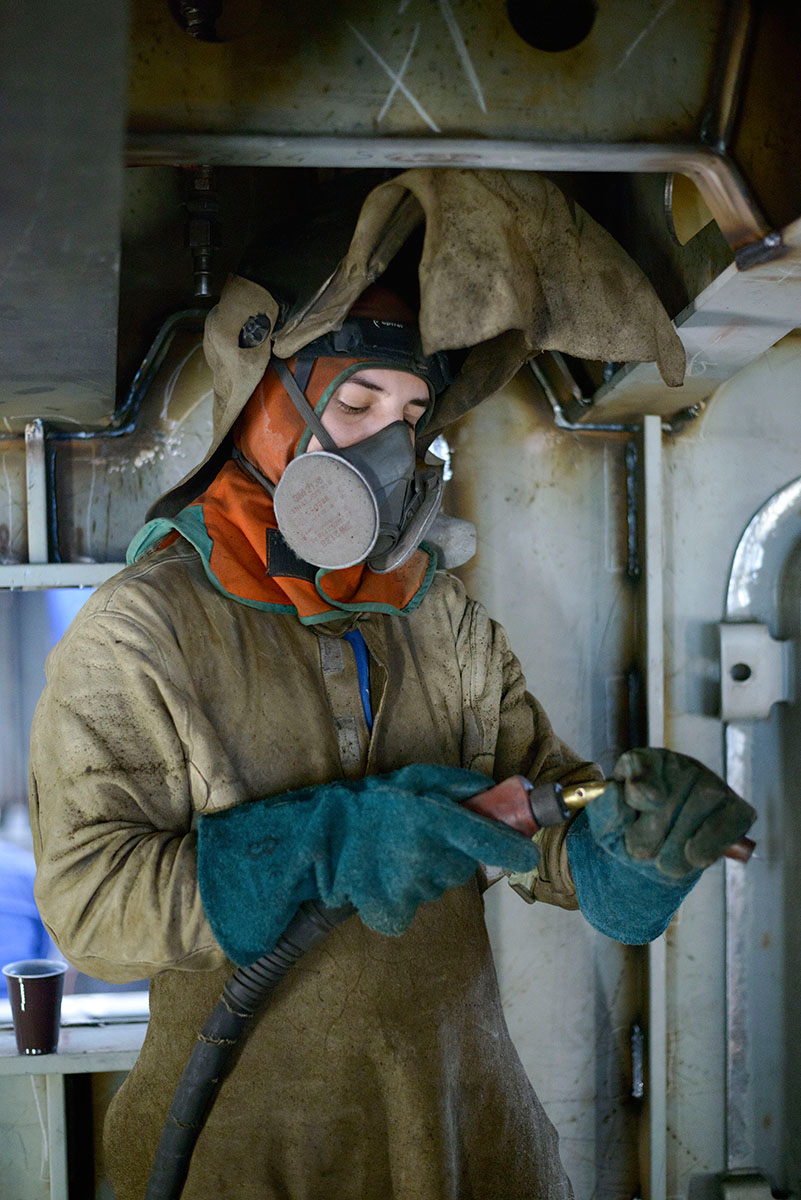
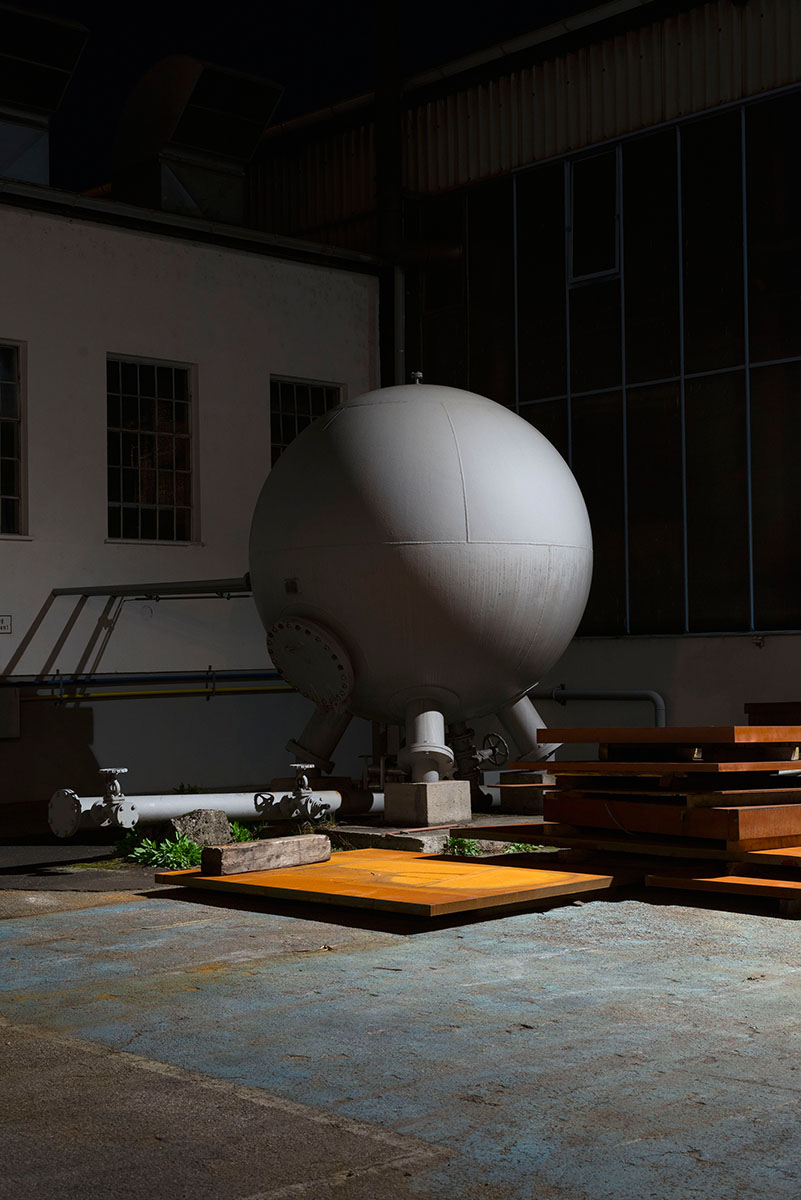

Katharina Gruzei’s photographic practice spans a broad spectrum, from documentary observation to highly narrative, staged compositions that explore the specificities of the medium itself.
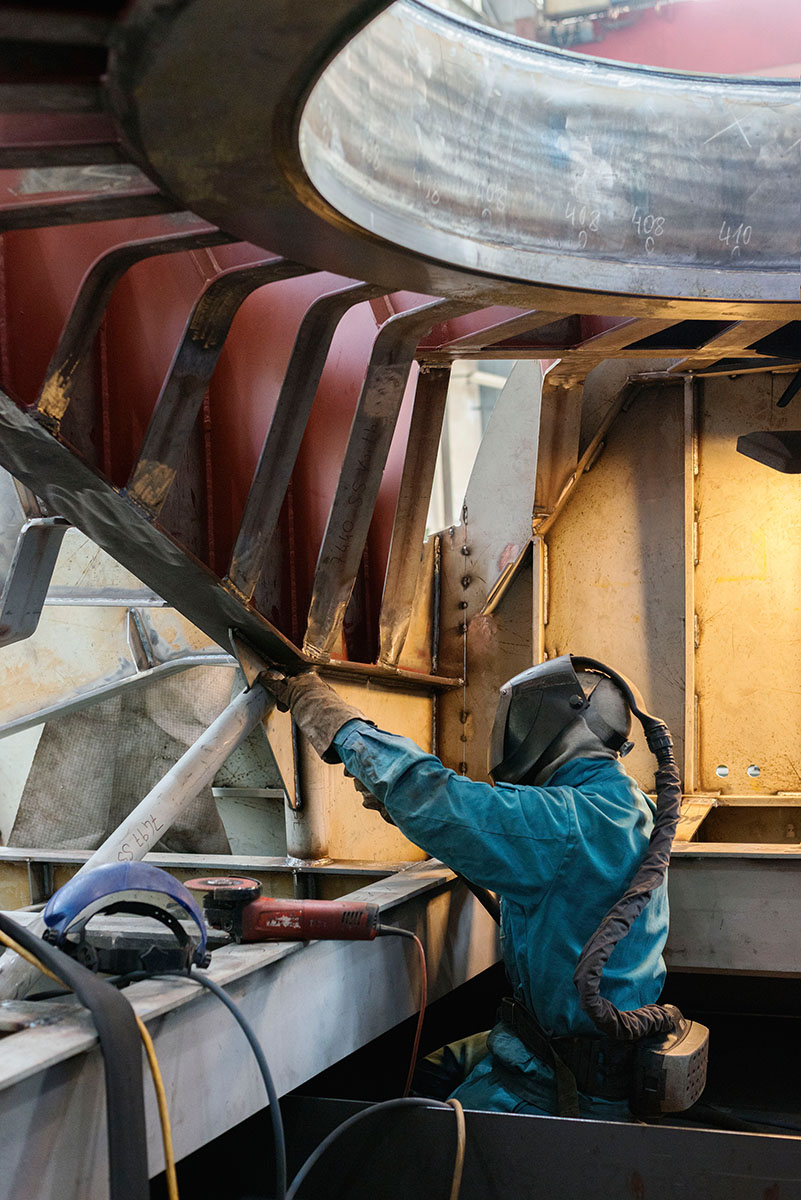
In her series “Bodies of Work,” Katharina Gruzei spent over a year and a half photographing the last remaining shipyard in Austria. A recurring topic in her artistic practice is the examination of labor. In this context, Gruzei views the “working body” as a “site for the negotiation of the always topical discourse on the place accorded to work and the changes taking place within it.” The artist also captured the shipyard outside its operational hours. As darkness settled, motifs began to appear in an entirely different light. This defamiliarization shifts the focus away from a purely representational reality toward novel dimensions of time and space. By drawing strong references to Science Fiction, Gruzei ensures the photographic impact of this series transcends a traditional documentary approach, moving instead into a cinematic and speculative realm.
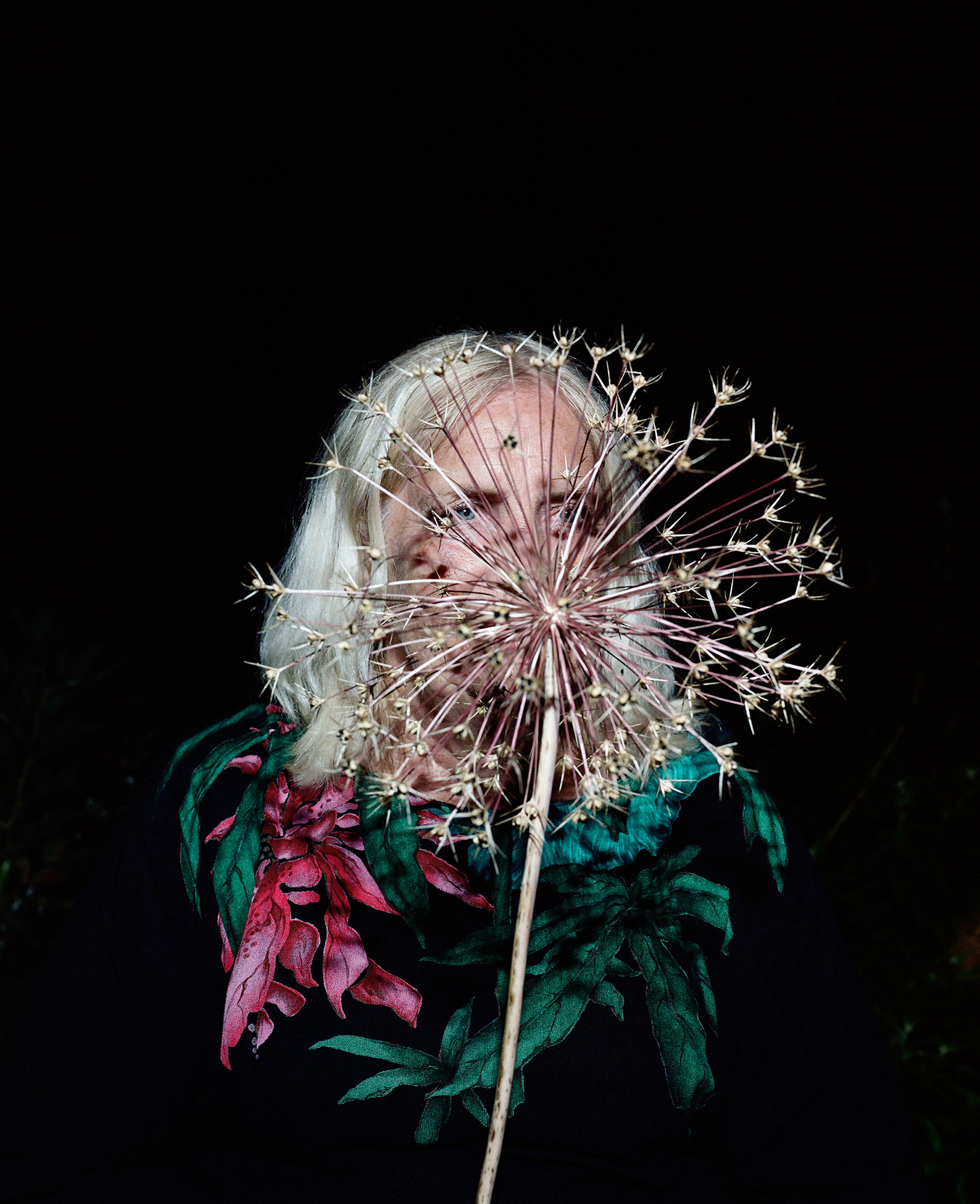
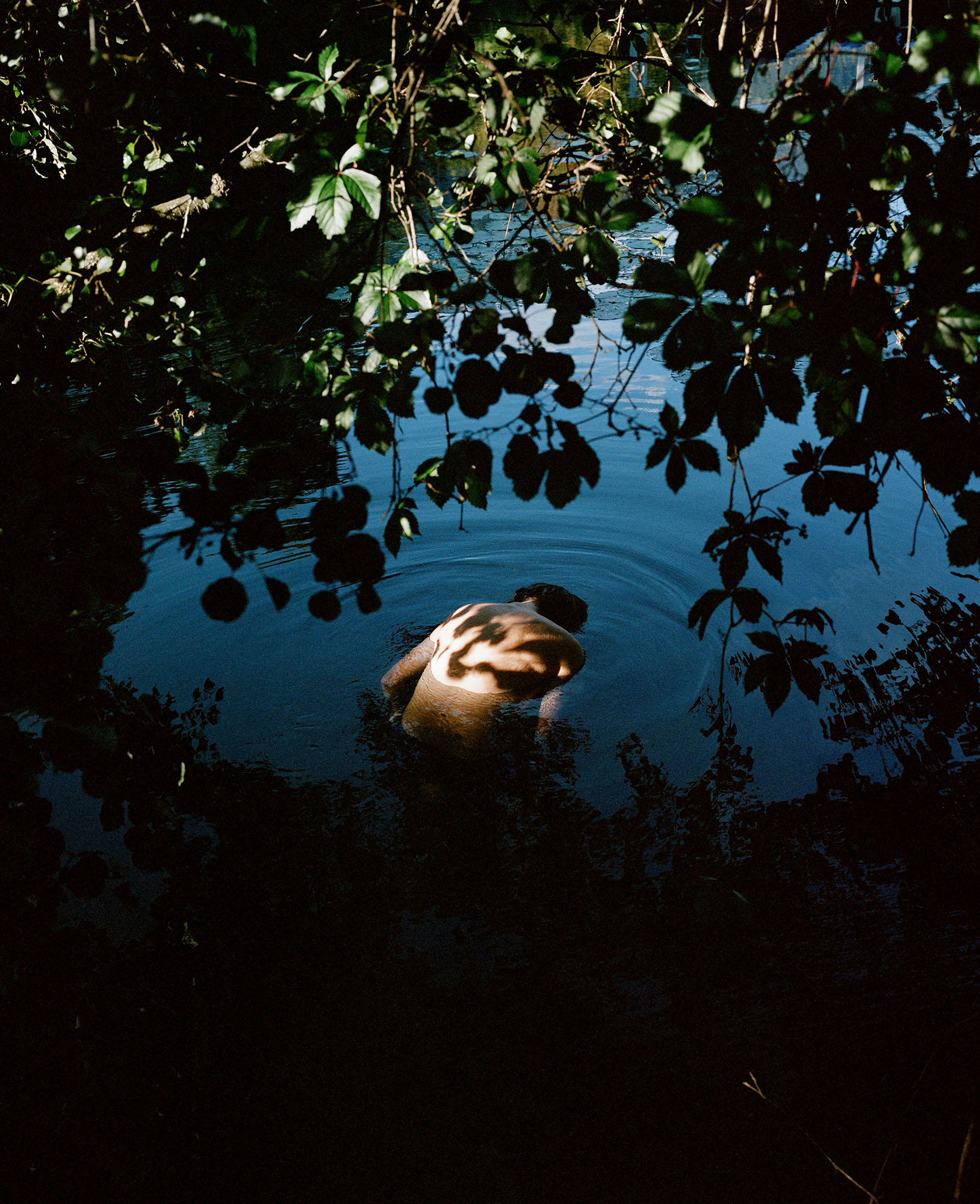
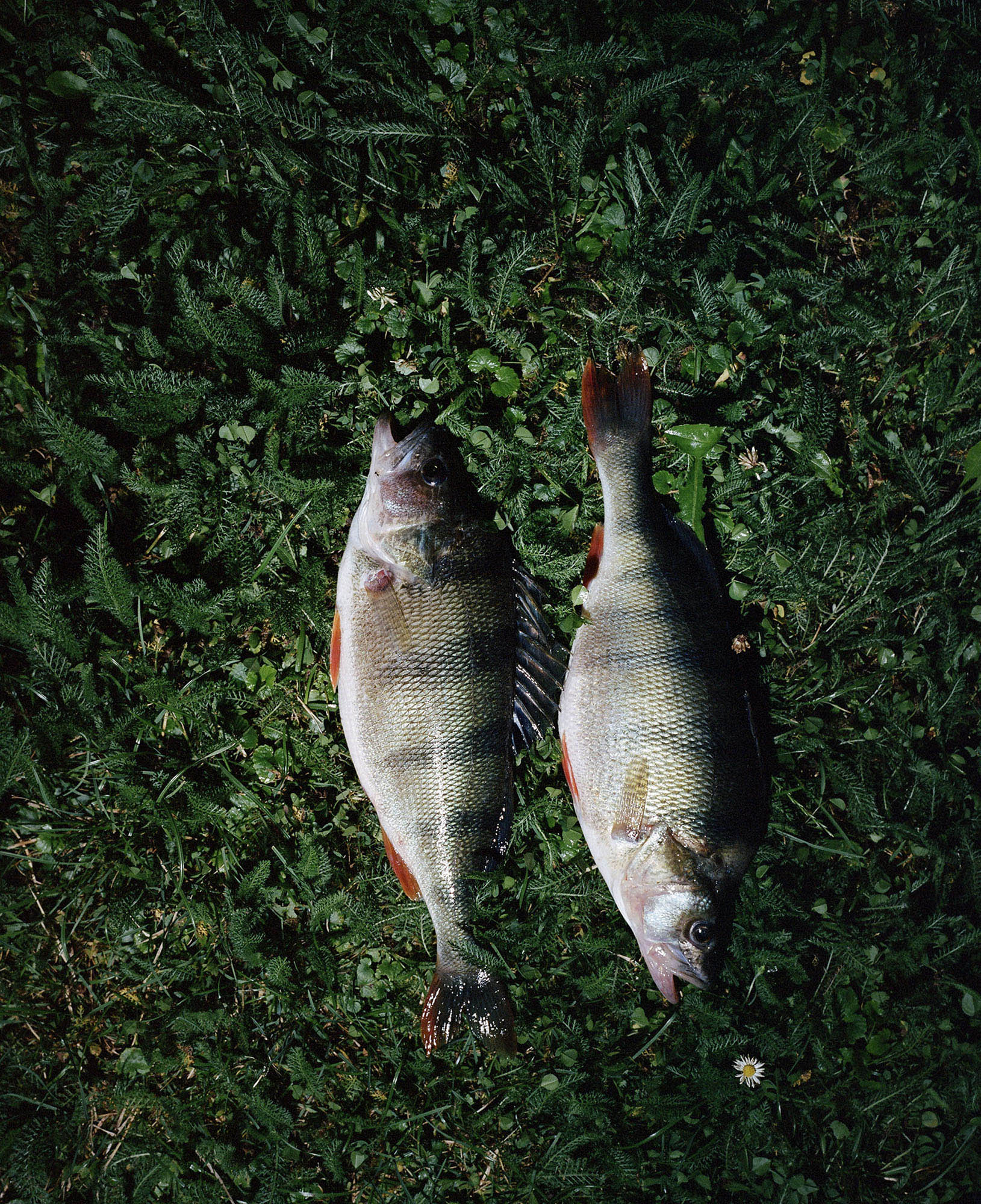
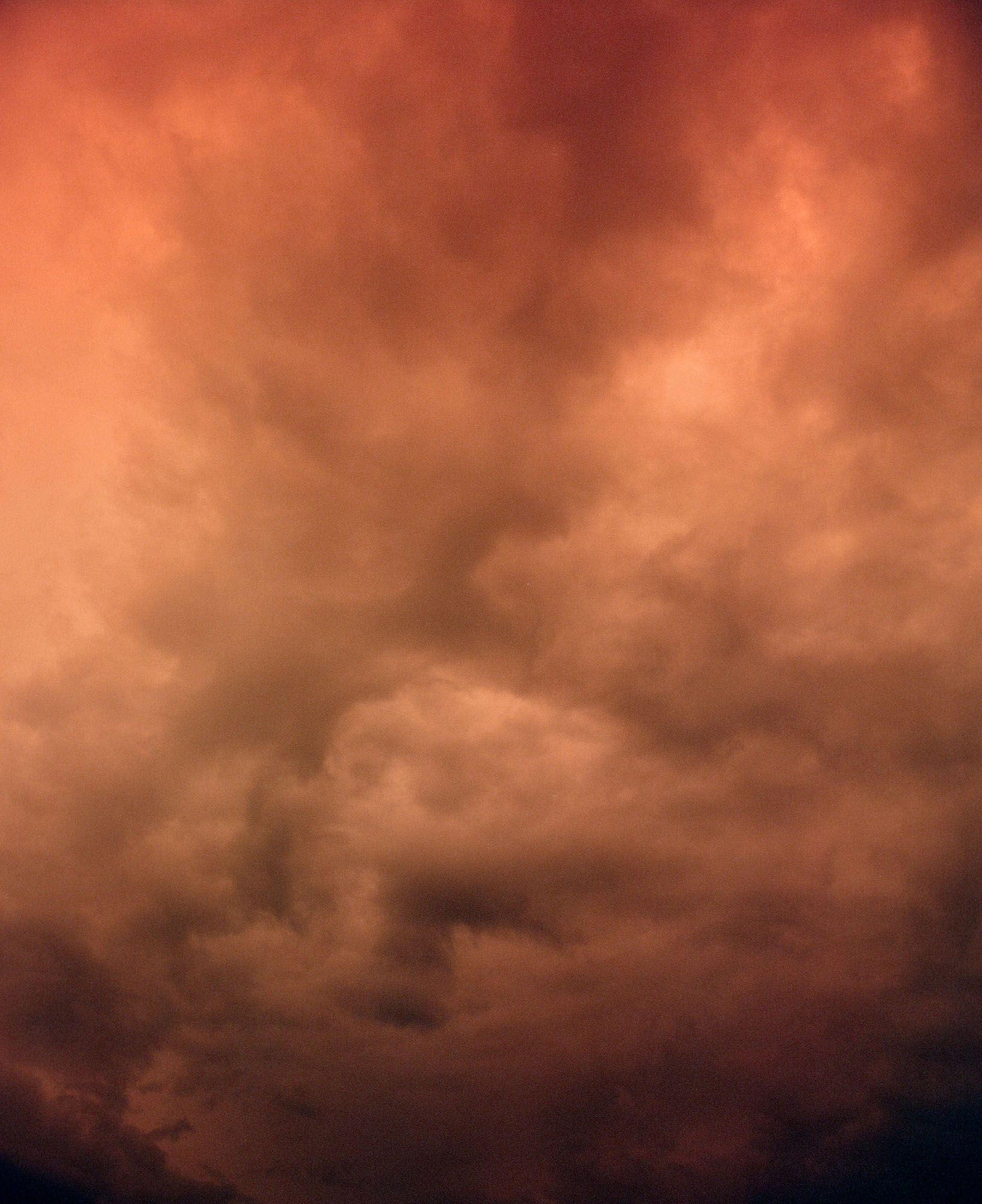
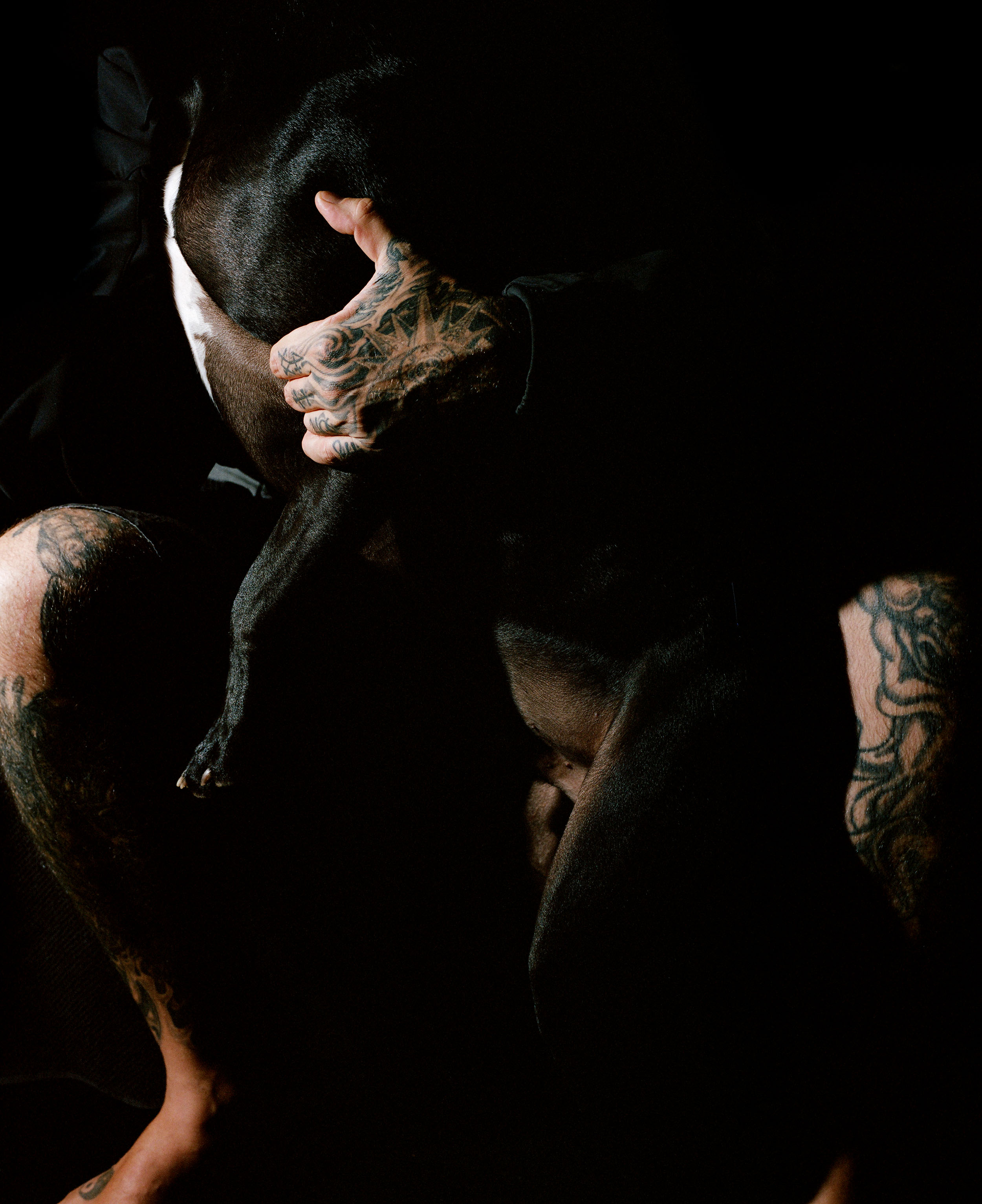
The photo series “Every Shade an Image” draws the viewer into an atmospherically dense world where identity is rendered as an open, multi-layered process. Katharina Gruzei engages with identity politics, questioning whether photography can serve as a space for its negotiation. Her motifs shift between concrete markers of identity and symbolic nature imagery—literal motifs like roots and rhizomes that are frequently invoked in the discourse. The shade itself serves as a blank space within the series, inviting the viewer’s own interpretation; here, identity appears as a fluid mesh of impressions, memories, and meanings. The title alludes to the interplay of light and shadow—the visible and the hidden—positioning the invisible as a fertile space for interpretation. Ultimately, Gruzei’s photographs blur the boundaries between perception and imagination, fostering a dynamic interaction between the artwork and the viewer.
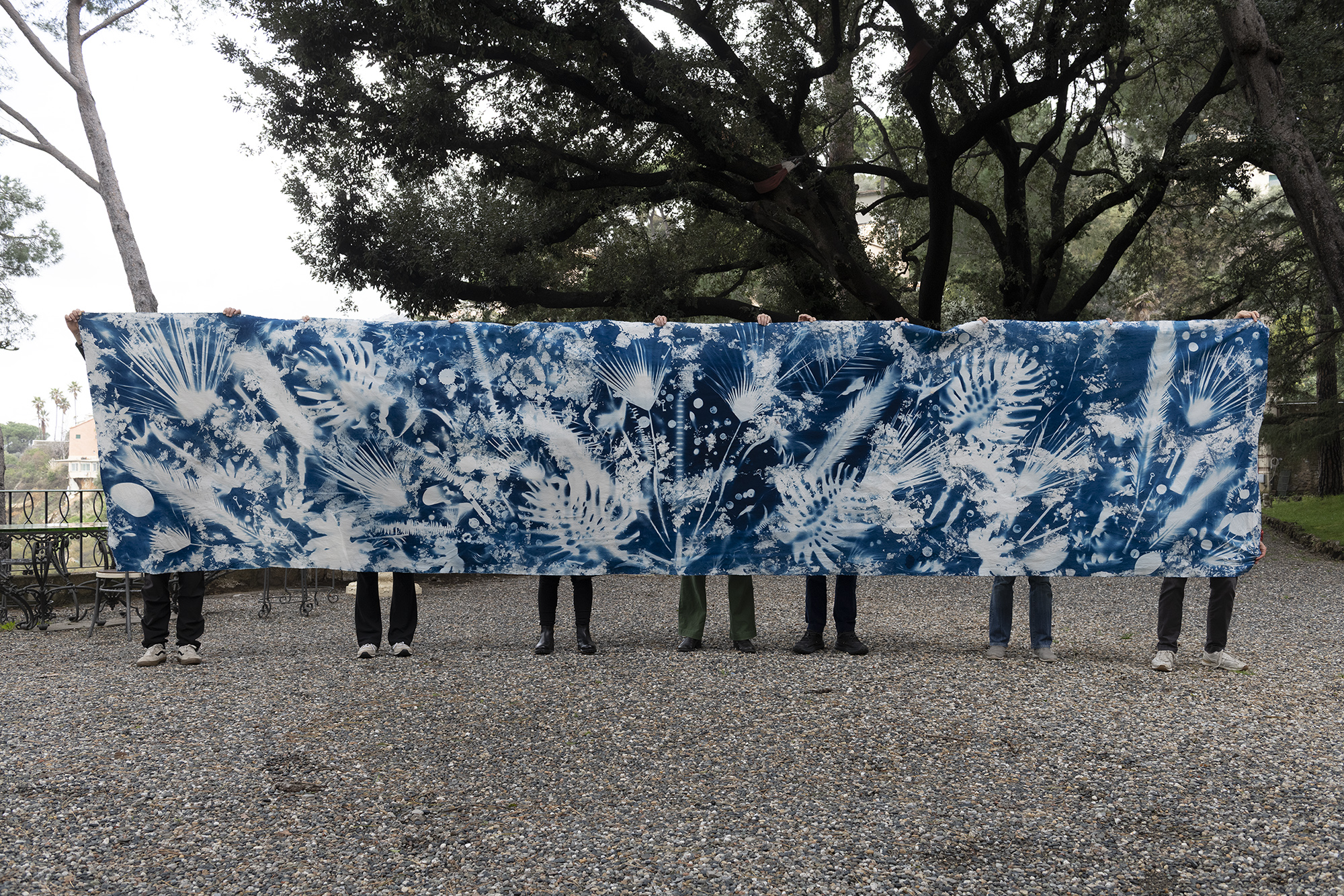
CYANOTYPE - A SITE-SPECIFIC EXPOSURE
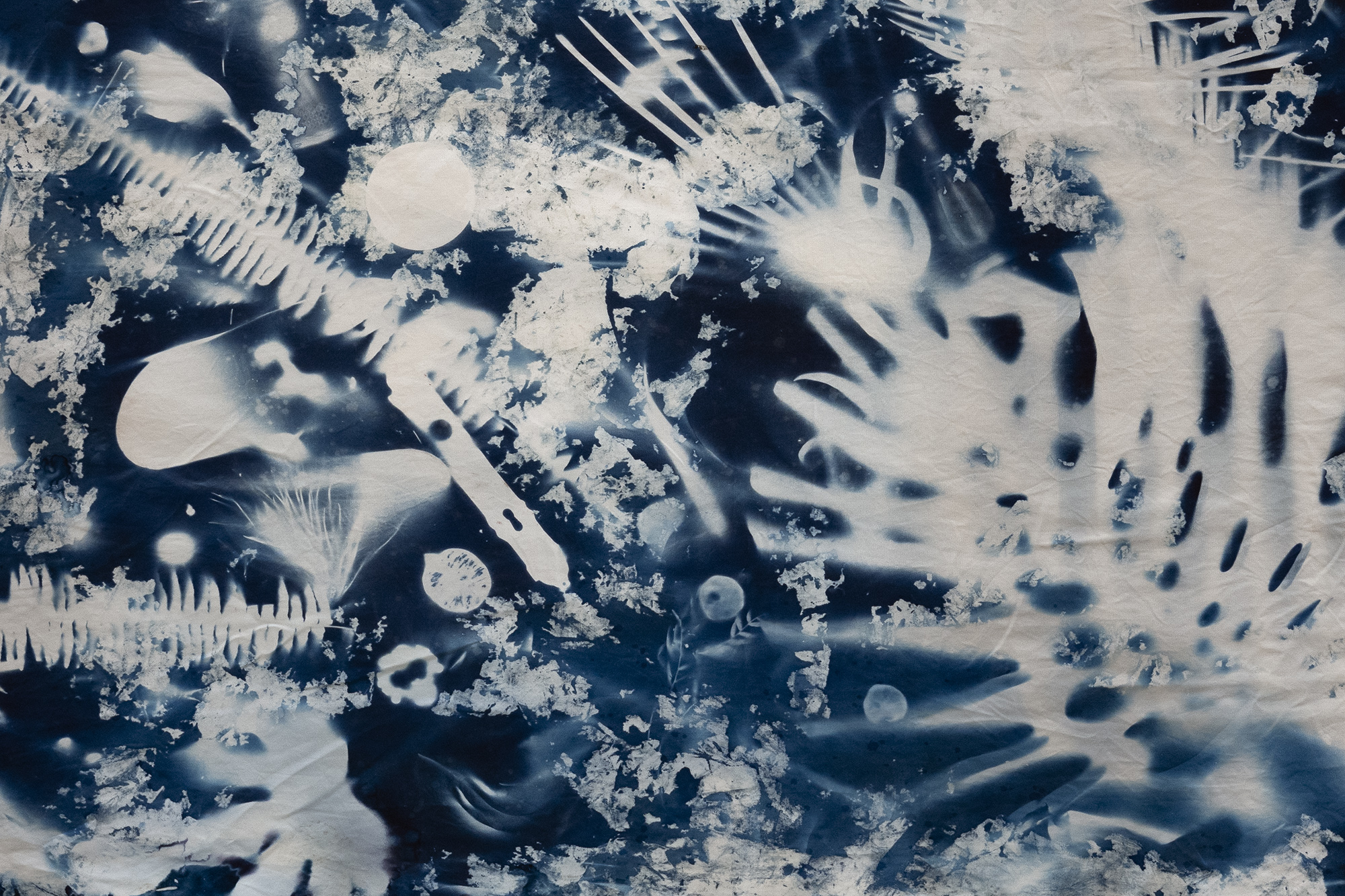
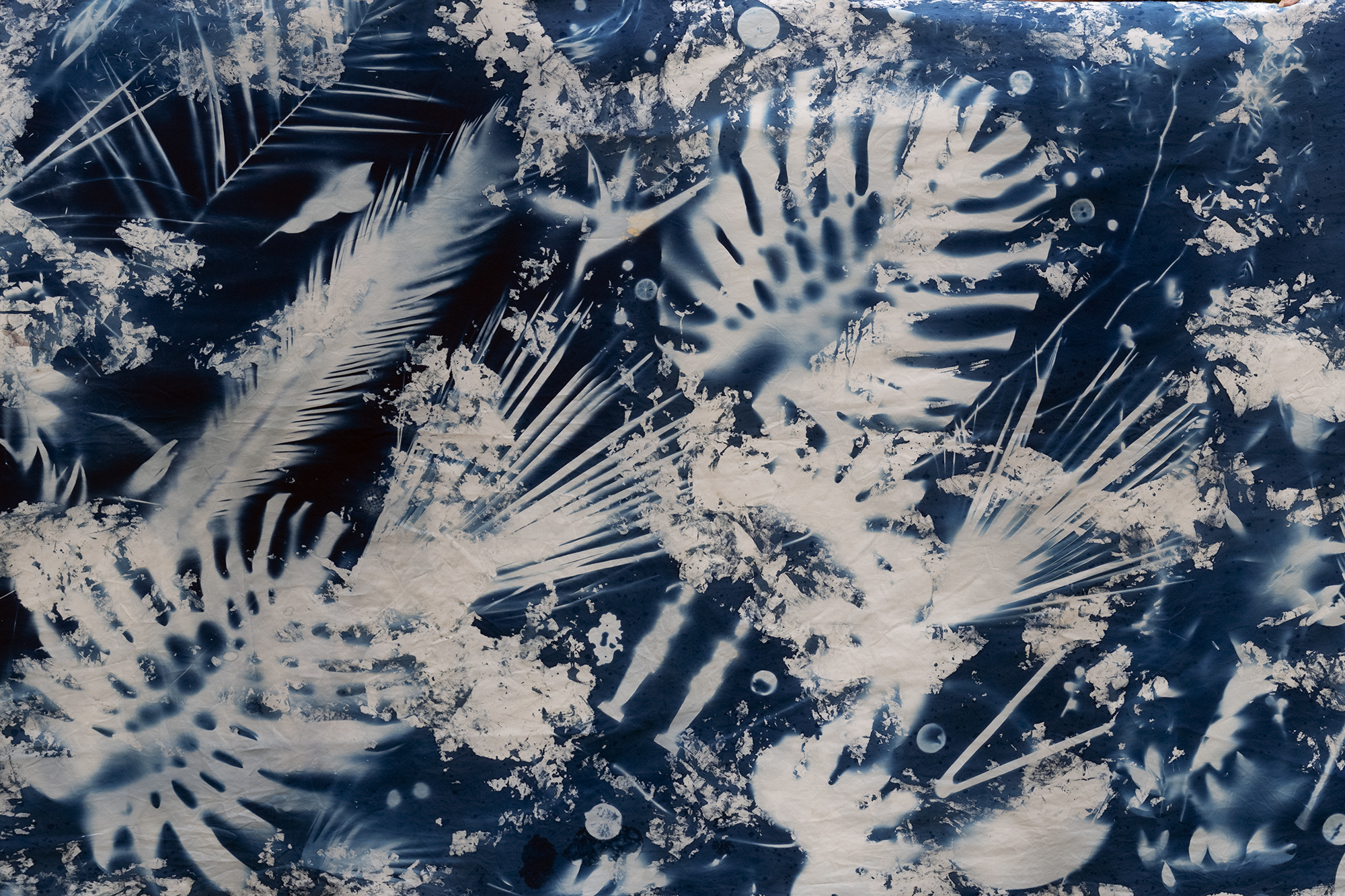
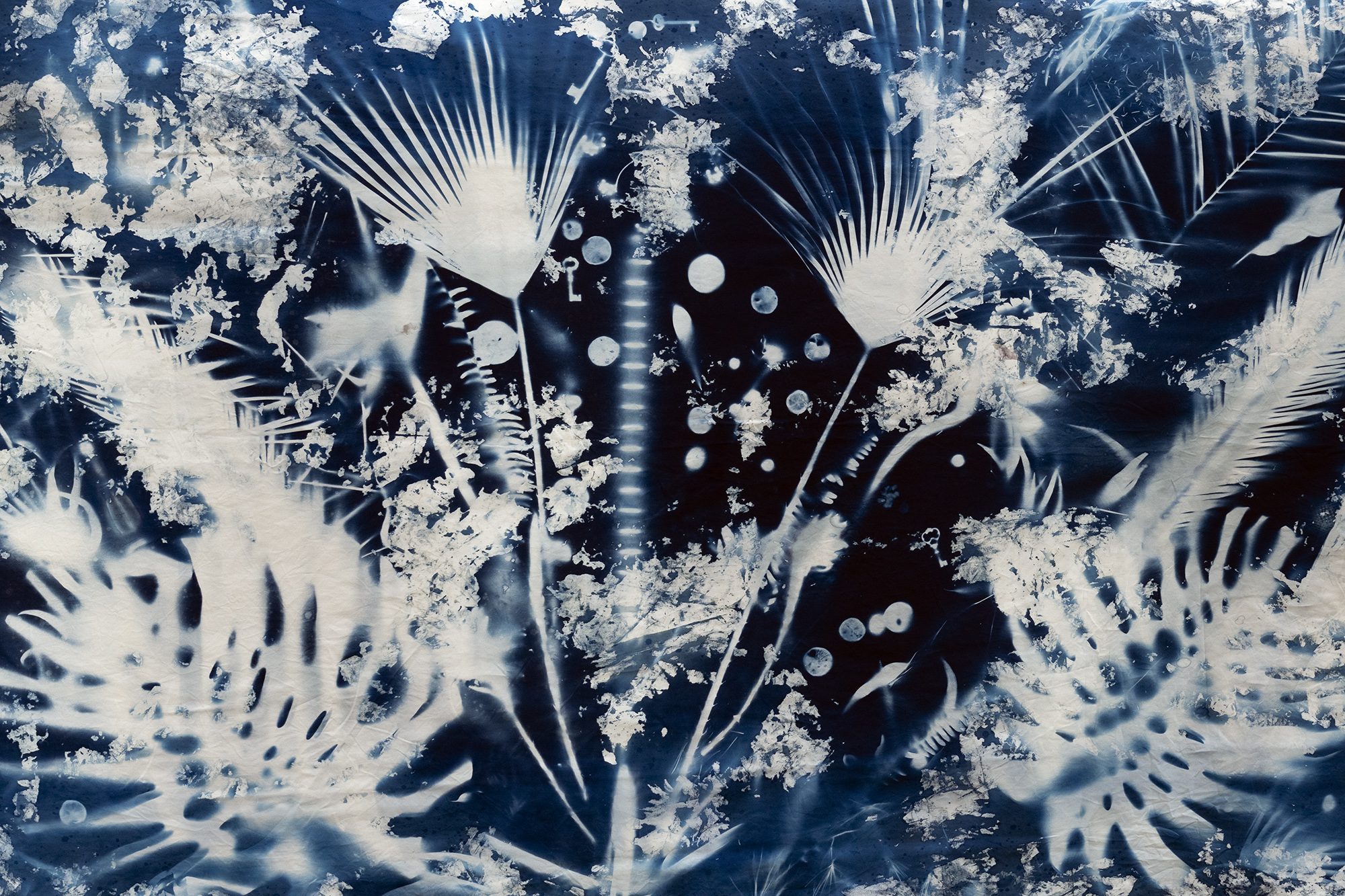
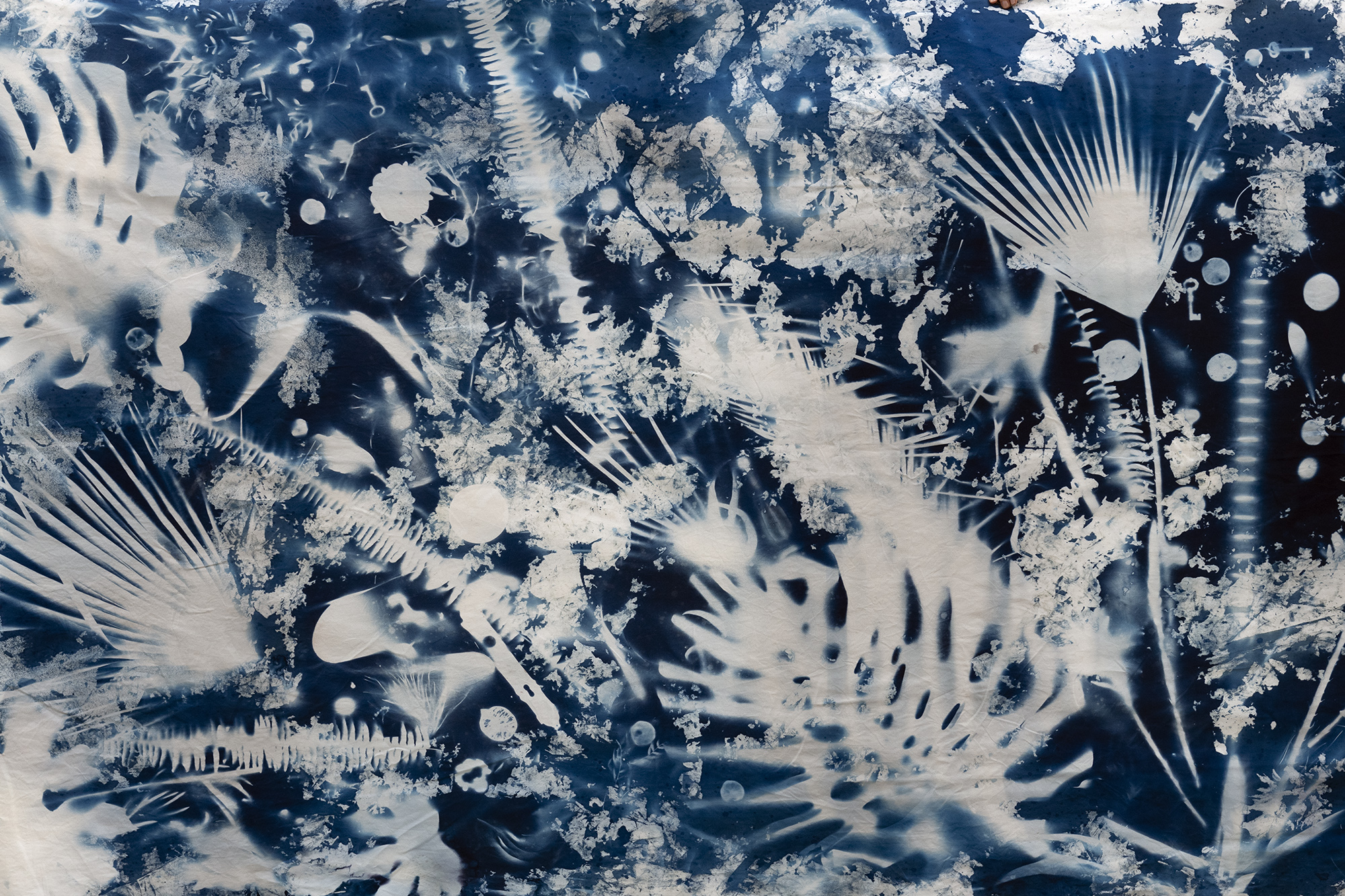
During her residency at the Villa dei Pini, Katharina Gruzei transformed a narrow strip of the foundation’s grounds into an outdoor photographic laboratory. Utilizing the historic Cyanotype process—often called a “sunprint”—she realized a large-scale artwork. The resulting print, in deep Prussian Blue, echoes with the tonal depth of the Mediterranean and reflects the unique specificity of the site.
The composition is a poetic dialogue between found objects from the villa and its impressive surrounding gardens. As a large-scale photogram, the work serves as an “index”—a direct physical trace of the location. Upon this canvas, Gruzei arranged objects found within the villa alongside botanical specimens harvested from the sun-drenched grounds. She used fabric sourced from Genoa, linking the work to the region’s textile history; under the sun, the light etched a permanent Prussian blue into the Genovese fibers.
Gruzei transformed the typically solitary act of creation into a shared experience - an act of belonging - inviting the foundation’s staff and fellow residents to assist in the exposure under the open sky. In this collective action, each artefact and plant became a part of the residency’s record, capturing the genius loci—the spirit of the place. By involving the community in its realization, the artwork became a collective portrait of a specific time and space. These nuanced depths hold a fleeting intersection of light, history, and human connection, freezing them into a single frame.
Great thanks to Jeremy Mende, Carla Macchiavello, Craig Saper, Lynn Tomlinson, Nancy Thomas, Ivana Folle, Valeria Soave, Franco Romeo and Laura Harrison.